
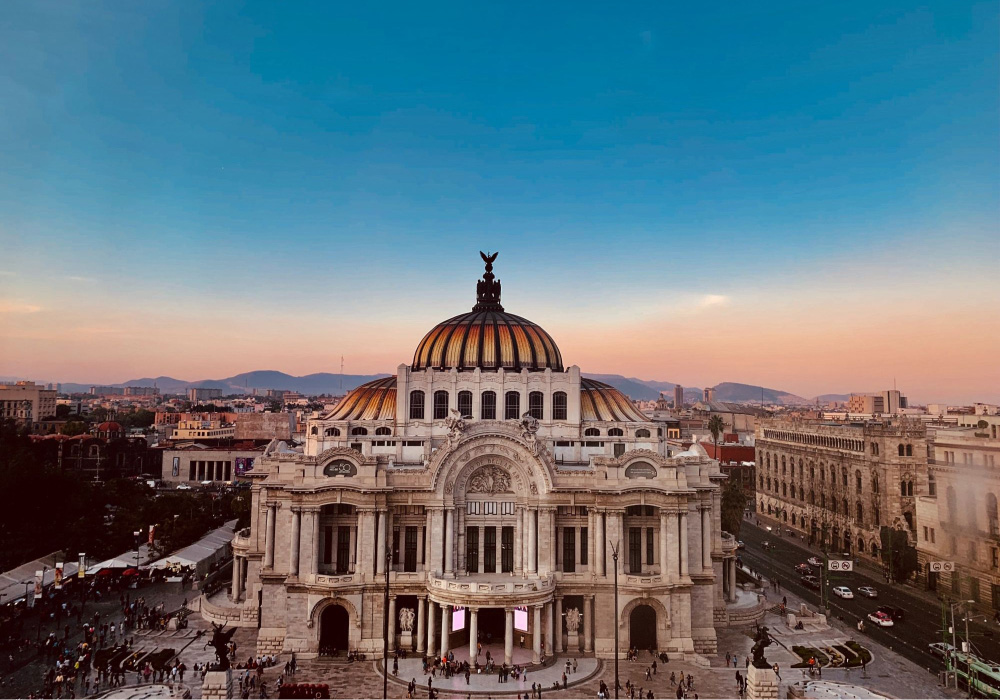
Mexico City rewards curious travellers with layered experiences at every turn. From the grand plazas and Aztec ruins of the Centro Histórico to the bohemian streets of Coyoacán and the buzzing restaurant scene of Roma and Condesa, the city is a feast for the senses. Add in sprawling local markets, artisanal mezcal bars, and a culinary tradition that runs centuries deep, and you have one of the world's great urban adventures.
Few cities on Earth pack as much into a single visit as Mexico City. This sprawling, endlessly layered metropolis sits at 2,240 metres above sea level, ringed by volcanoes and steeped in a history that stretches back thousands of years—from the great Aztec capital of Tenochtitlán to the Spanish colonial city built over its ruins, all the way through to the gloriously chaotic, creative, and deeply modern CDMX of today.
Getting a feel for a city this size can feel daunting, especially on a first trip. But Mexico City has a way of rewarding those willing to slow down, wander freely, and follow their curiosity through cobblestone alleys, covered markets, and candlelit mezcal bars. The key is knowing where to begin. This guide focuses on the neighbourhoods, markets, and mezcal culture that make CDMX unlike anywhere else—so you can walk in with a plan and still leave room for happy accidents.
Mexico City's top neighbourhoods
Mexico City is divided into dozens of colonias, each with its own personality, history, and rhythm. Rather than trying to cover everything in one trip, first-timers are better served by going deep on a handful of key areas. The following neighbourhoods offer a strong cross-section of what the city does best.
Historic Centro Histórico
The Centro Histórico is where Mexico City's story begins. Built directly on top of the ancient Aztec capital, this dense, dramatic district contains some of the most significant architecture in the Americas—grand baroque churches, colonial palaces, and monumental public squares that once served as the beating heart of an empire. Walking here feels genuinely different from anywhere else; the scale of the history on display is hard to absorb all at once.
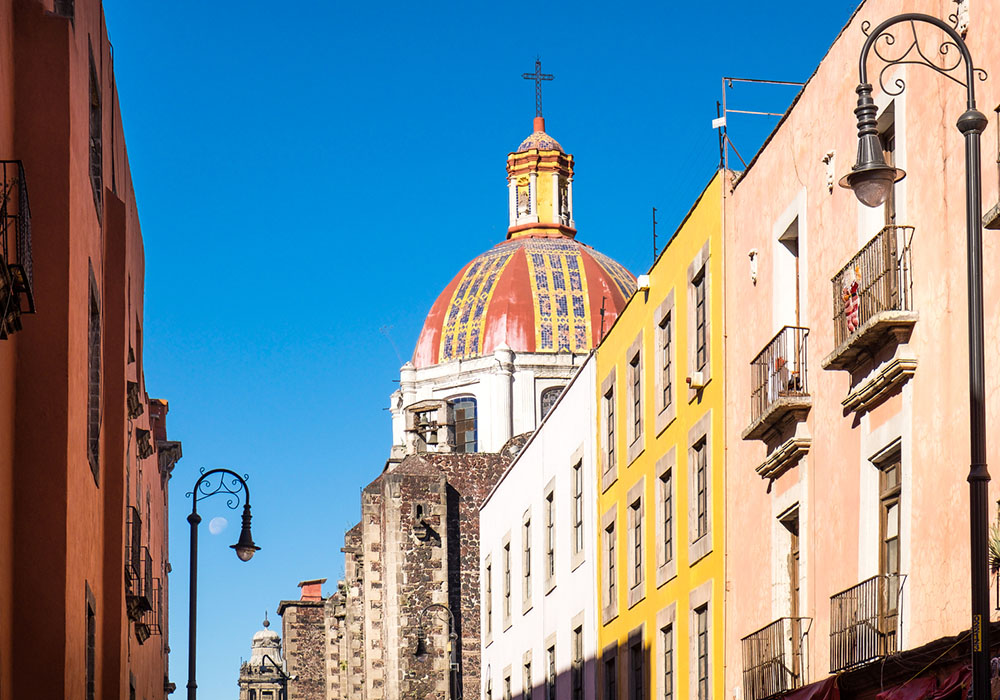
Key highlights include:
- Zócalo: One of the largest public squares in the world, framed by the Metropolitan Cathedral and the National Palace, whose murals by Diego Rivera are among the finest examples of Mexican muralism anywhere.
- Templo Mayor: The excavated ruins of the main Aztec temple, discovered in 1978 during utility work, now sit in the middle of the city alongside an excellent on-site museum.
- Palacio de Bellas Artes: A stunning Art Nouveau and Art Deco building that serves as both a fine art museum and a major performance venue.
- Street markets and food stalls: Vendors selling everything from tacos de canasta to fresh-squeezed juice line the streets around the main square, making it one of the best spots in the city to eat cheaply and well.
The Centro Histórico rewards slow exploration. Spend a full day here, and you'll still find corners you haven't seen. The area gets busy on weekends, so arriving early gives you the best chance to appreciate the architecture before the crowds arrive.
Trendy Roma and Condesa
Roma and Condesa are the neighbourhoods most visitors end up spending the majority of their time in—and with good reason. These adjacent colonias, located south of the city centre, offer tree-lined streets, Art Deco apartment buildings, and a density of excellent restaurants, cafés, and bars that rivals any neighbourhood in Latin America.
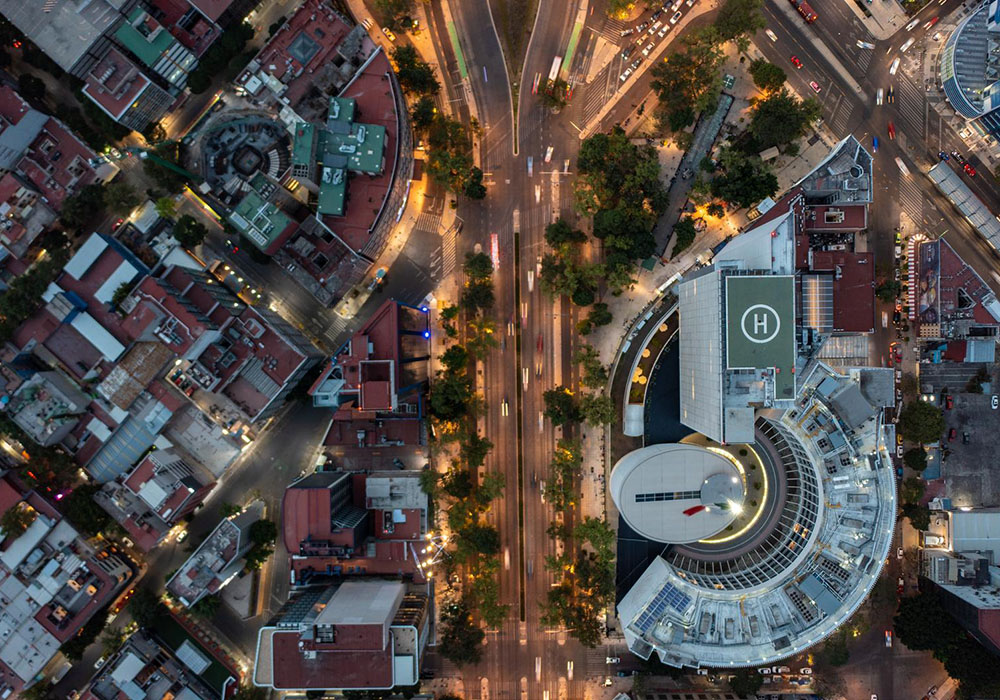
What draws people to Roma and Condesa:
- Gastronomy: From tacos al pastor to multi-course tasting menus, the dining options here are extraordinary. Roma Norte in particular has become a global destination for serious food lovers.
- Street art: Murals and large-scale installations appear on walls throughout both neighbourhoods, reflecting the area's strong creative community.
- Green spaces: Parque México in Condesa and Parque España in Roma offer shaded walking paths, weekend markets, and excellent people-watching.
- Nightlife: Mezcal bars, cocktail lounges, and live music venues keep both neighbourhoods lively well into the early hours.
Roma tends to feel a little more bohemian and neighbourhood-y, while Condesa leans slightly more polished and international. Both are extremely walkable and generally considered safe for tourists, making them ideal bases for a first visit.
Artsy Coyoacán
Coyoacán sits about eight kilometres south of the city centre and feels like a completely different world. Where the Centro Histórico is monumental, and Roma is cosmopolitan, Coyoacán is intimate and artistic—a village-within-the-city with cobblestone streets, brightly painted colonial houses, and a cultural legacy tied closely to some of Mexico's most iconic creative figures.
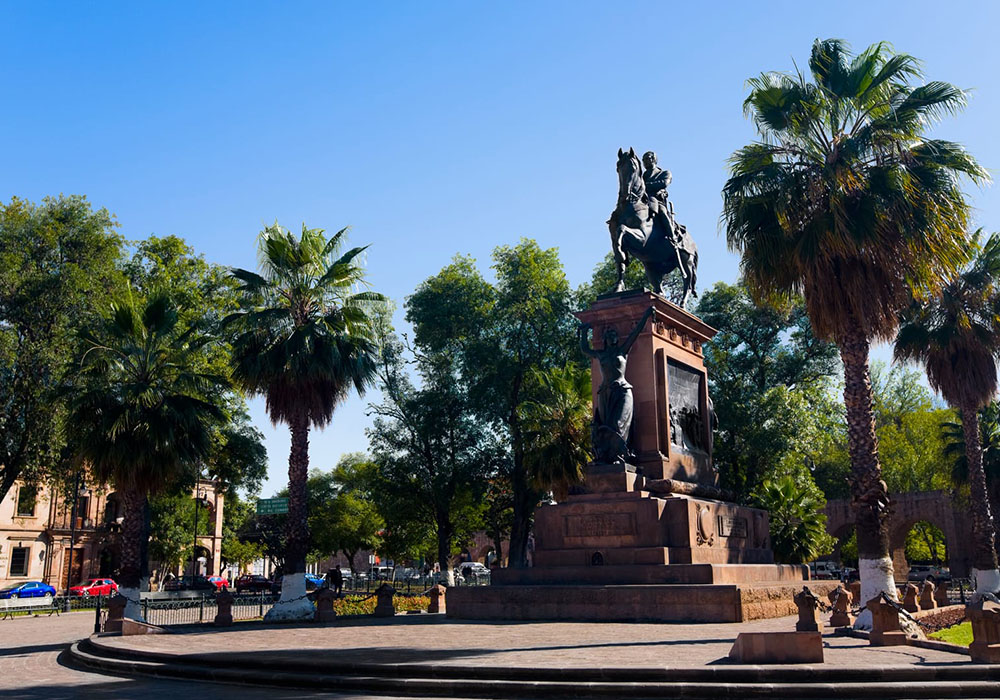
The neighbourhood was home to Frida Kahlo and Diego Rivera for much of their lives, and their presence is still felt throughout the area. Highlights include:
- Museo Frida Kahlo (Casa Azul): Kahlo's childhood home has been preserved as a museum displaying her personal belongings, artwork, and the studio where she continued to paint despite lifelong physical challenges. Booking ahead is strongly recommended.
- Plaza Hidalgo: The central square is one of the most charming in the city, lined with cafés and animated by street performers most days of the week.
- Local markets: The Mercado de Coyoacán offers handicrafts, antiques, and traditional food—including tostadas de tinga that are famous across the city.
- Church of San Juan Bautista: One of the oldest churches in Mexico City, its baroque façade overlooking the main plaza is a striking sight.
Coyoacán is best visited on a weekday when it's quieter. Weekends bring large crowds, particularly around the main market and the Frida Kahlo Museum. Either way, the neighbourhood's relaxed pace makes it an ideal afternoon destination.
Up-and-coming Juárez
Colonia Juárez, just west of Roma, is undergoing a rapid and fascinating transformation. Once a primarily residential neighbourhood known for its early-20th-century mansions, Juárez has evolved into one of the city's most interesting dining and nightlife destinations—without yet feeling overrun by tourism.
| Feature | Description |
|---|---|
| Historic buildings | Beautiful Porfiriato-era mansions dating from the early 1900s |
| Gourmet restaurants | Innovative dining with a focus on local and seasonal ingredients |
| Mezcal bars | Casual, neighbourhood-oriented spots with excellent selections |
| Art galleries | Exhibition spaces showing contemporary Mexican artists |
Juárez is popular with young professionals and the creative class, and retains a more local feel than Roma or Condesa. It's a good neighbourhood to explore on foot in the early evening, stopping for dinner and a drink as the street scene comes alive.
Must-visit markets
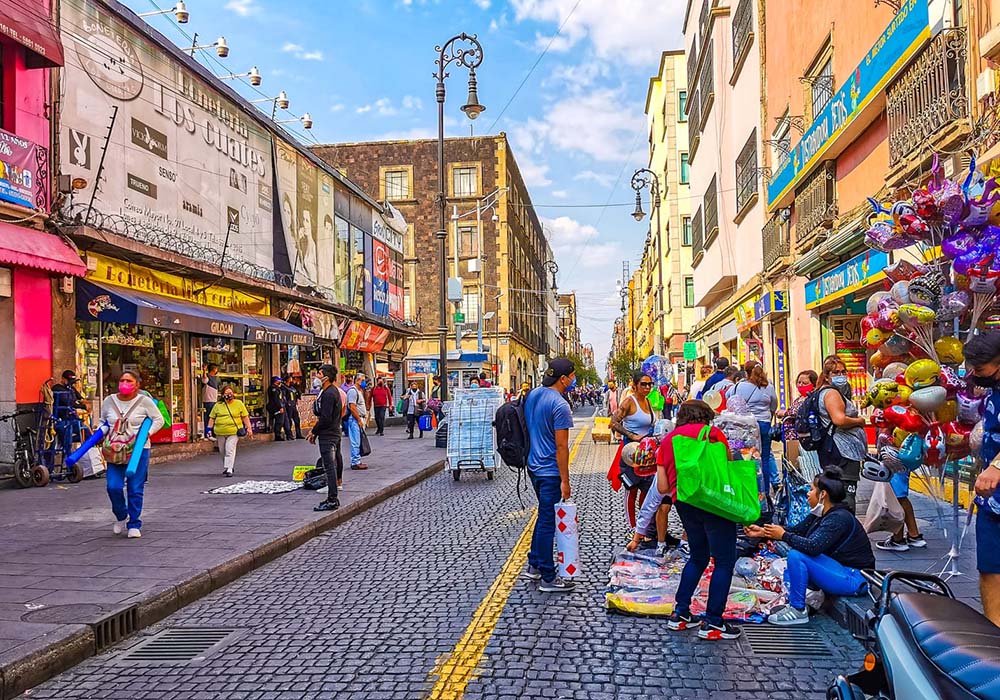
Mexico City's markets are institutions. They've been feeding, supplying, and connecting the city's residents for centuries, and today they range from vast, sprawling traditional mercados to sleek, curated gourmet spaces. For first-time visitors, the markets are also some of the best places to understand how the city actually works—who lives here, what they eat, and how daily life is organized.
Traditional Mercado de La Merced
Mercado de La Merced is the largest traditional market in the city, and one of the largest in all of Mexico. Located in the eastern part of the Centro Histórico, it's a working market in the truest sense: a massive, labyrinthine complex where vendors sell everything needed to run a Mexican kitchen at scale.
Walking through La Merced is an experience in itself. The colours, smells, and sounds are overwhelming in the best possible way—towering piles of dried chiles, entire walls of spices, fresh herbs bundled in newspaper, live animals, and cooking smells drifting from stalls tucked into every corner.
Key things to find here:
- Fresh fruits and vegetables sourced directly from local farms
- A wide variety of meats, seafood, and dried goods
- Chiles, herbs, and traditional Mexican pantry staples
- Street food stalls serving tamales, tacos, and fresh-squeezed juice
| Feature | Details |
|---|---|
| Location | Centro Histórico |
| Opening hours | 6 AM – 6 PM |
| Specialty | Fresh produce and traditional goods |
| Best for | Local food shopping and street food |
La Merced rewards those willing to get a little lost. Go without a fixed agenda and follow whatever looks interesting.
Artisanal Mercado de Coyoacán
The Mercado de Coyoacán is smaller and more curated than La Merced, with an emphasis on handmade crafts, artwork, and traditional Mexican products. It sits just off the main plaza in Coyoacán and makes an excellent stop before or after a visit to the Frida Kahlo Museum.
The market reflects the neighbourhood's artistic character, with many vendors offering handcrafted goods that make meaningful souvenirs. Expect to find:
- Handmade pottery, woven textiles, and artisanal jewellery
- Paintings and prints from local artists
- Traditional Mexican sweets and baked goods
- Small cafés where you can rest between browsing
| Feature | Details |
|---|---|
| Location | Coyoacán |
| Opening hours | 10 AM – 7 PM |
| Specialty | Handmade crafts and traditional sweets |
| Best for | Souvenirs and local art |
Unlike some of the more tourist-heavy craft markets in the city, Mercado de Coyoacán still feels genuine. Prices are reasonable, and bargaining is common.
Gourmet Mercado Roma
Mercado Roma, in Roma Norte, represents a newer breed of market in Mexico City. Designed as an upscale food hall, it brings together some of the city's most interesting food vendors under one roof, with an emphasis on artisan producers, craft drinks, and global flavours.
The contrast with La Merced couldn't be sharper—Mercado Roma is bright, well-designed, and thoroughly modern—but it captures something real about how Mexico City's food culture continues to evolve. Highlights include:
- Artisan food stalls selling cheese, charcuterie, freshly baked bread, and pastries
- Craft beer and mezcal vendors with knowledgeable staff
- International options ranging from fresh sushi to gourmet burgers and vegan dishes
- A rotating programme of live music and evening events
| Feature | Details |
|---|---|
| Location | Roma Norte |
| Opening hours | 9 AM – 11 PM (later on weekends) |
| Specialty | Gourmet food and artisan drinks |
| Best for | Food lovers and evening socializing |
Mercado Roma is best visited in the late afternoon, when the evening crowd starts to arrive, and the energy picks up.
Night market experiences
After dark, Mexico City's market culture takes on a different character. Several markets and temporary night market events come alive after dark, offering street food, live music, crafts, and a genuinely festive atmosphere.
Mexico City's night markets tend to be more relaxed and social than the daytime equivalents—locals gather here to eat, drink, and catch up, making them excellent places to observe city life. Some of the most popular include La Ciudadela, Mercado de Jamaica (particularly famous for its flowers), and Mercado de San Juan.
| Feature | Details |
|---|---|
| Popular night markets | La Ciudadela, Mercado de Jamaica, Mercado de San Juan |
| Typical hours | 6 PM – Midnight |
| Highlights | Street food, live music, local crafts |
| Best for | Evening food and entertainment |
Cooler temperatures and a more leisurely pace make the night markets a welcome counterpoint to daytime sightseeing. Try elotes (grilled corn), churros, and a mezcal cocktail from one of the casual bars that typically set up nearby.
Exploring mezcal bars
Mezcal has become the defining drink of Mexico City's social scene, but its roots go far deeper than any trend. This agave-based spirit has been produced in Mexico for centuries, connected to indigenous ritual, community life, and the land in ways that tequila—its more commercially famous cousin—rarely matches. In the past decade, a new generation of mezcalerías has transformed CDMX into one of the best cities in the world to explore agave spirits, with bars ranging from bare-bones neighbourhood spots to internationally acclaimed cocktail destinations.
What is mezcal?
Mezcal is a distilled spirit made from the cooked hearts (piñas) of agave plants. While tequila is made exclusively from blue agave and produced in a specific industrial style, mezcal can be made from dozens of different agave species, each contributing unique flavour characteristics. The production process—which typically involves roasting the piñas in earthen pits over wood or charcoal—gives mezcal its characteristic smokiness, though the intensity of that smoke varies considerably depending on the producer and the agave variety.
The word "mezcal" comes from the Nahuatl language and roughly means "oven-cooked agave." Most production remains centred in Oaxaca, though mezcal is also made in Guerrero, Durango, San Luis Potosí, and several other Mexican states.
A few basics worth knowing before your first tasting:
- Agave varieties: The most common is espadín, which tends to be balanced and approachable. Tobalá, made from a wild dwarf agave, is rarer and more complex. Tepeztate and tobaziche are other varieties worth seeking out.
- ABV: Mezcal typically ranges from 40% to 55% alcohol by volume, though artisanal batches may be higher.
- Flavour notes: Depending on the agave, region, and producer, mezcal can express notes of smoke, earth, fruit, herbs, flowers, and mineral character.
Top mezcal bars in the city
Mexico City's mezcal bar scene rewards exploration. The following are three reliable and distinct options that together cover a good range of settings and styles.
| Bar name | Location | Specialty | Atmosphere |
|---|---|---|---|
| La Clandestina | Condesa | Wide selection of artisanal mezcals, expert staff | Casual, cozy, lively crowd |
| Bósforo | Centro Histórico (Luis Moya 31) | Rare small-batch mezcals from across Mexico | Intimate, dimly lit, local institution |
| Tlecān | Roma Norte | Award-winning cocktails, deep agave programme | Refined, creative, No. 3 in North America's 50 Best Bars 2025 |
La Clandestina is the classic first stop for mezcal beginners. Tucked between Condesa and Roma Norte, this neighbourhood institution has been introducing visitors to artisanal mezcal for over 15 years. The knowledgeable staff will walk you through each pour, and the menu of inventive cocktails—made with kiwi, hibiscus, cucumber, and other local ingredients—gives those not yet ready to drink mezcal neat a genuinely excellent alternative.
Bósforo, in the Centro Histórico, is the bar that serious mezcal drinkers tend to mention first. Low-lit, candlelit, and refreshingly unpretentious, it draws a mix of locals and in-the-know visitors who come specifically for its chalkboard list of rare, small-batch spirits sourced from Oaxaca's most prized microregions. Go midweek for a quieter experience.
Tlecān, in Roma Norte, represents the pinnacle of Mexico City's current cocktail scene. Led by award-winning bartender Eli Martínez Bello, the bar ranked No. 3 on North America's 50 Best Bars in 2025. Cocktails like the Margarita Kauil (mezcal, manzano chile, apricot) and Martini Papantla (vanilla vermouth, mezcal) are craft drinks in the fullest sense, worth the reservation.
Tasting tips and etiquette
Approaching mezcal the right way makes a significant difference to the experience. The following guidelines help first-timers get the most from each pour:
- Look: Observe the colour, which ranges from clear through pale gold to amber depending on ageing.
- Smell: Bring the glass close and breathe in gently—smoky, earthy, fruity, and herbal notes all reveal themselves before the first sip.
- Taste: Take a small sip and let it rest in your mouth for a few seconds before swallowing.
- Drink slowly: Mezcal's complexity unfolds over time. Sipping slowly is both practical and respectful of the spirit.
- Use traditional vessels: Copitas (small clay cups) or veladoras (glass votive-style cups) are common and offered at most mezcalerías.
- Accept the accompaniments: worm salt (sal de gusano) and orange slices are traditional—try them.
- Ask questions: Bartenders at dedicated mezcalerías are usually passionate and well-informed. Asking about origins, production methods, and producer families is genuinely welcomed.
Avoid mixing mezcal with heavy flavours that overwhelm the spirit. Good mezcal is best appreciated neat or with minimal additions.
Pairing mezcal with Mexican cuisine
Mezcal's smoky, complex flavour profile pairs exceptionally well with many traditional Mexican dishes. The combination of a well-chosen mezcal with the right food is one of the great pleasures of eating and drinking in Mexico City.
Some reliable pairings to try:
- Tacos al pastor: The sweetness and spice of the pork and pineapple balance mezcal's smokiness beautifully.
- Oaxacan cheese (quesillo): Creamy and mild, it enhances the spirit's complexity without competing with it.
- Grilled meats: Mezcal stands up to the char and richness of barbacoa or arrachera with ease.
- Mole: The chocolate, dried chile, and spice depth of a good mole sauce finds natural harmony with a smoky mezcal.
- Botanas: Small bites—guacamole, roasted nuts, chapulines (grasshoppers), or tlayudas—are the mezcalería equivalent of bar snacks and work particularly well.
A glass of mezcal alongside good food transforms both the drink and the dish. It's one of those combinations that needs to be experienced to be properly understood.
Making the most of your first visit
Mexico City rewards travellers who take their time, follow their instincts, and resist the urge to overschedule. The city's scale can feel overwhelming at first, but each neighbourhood has its own rhythm, and finding yours usually takes just a day or two. A few practical notes worth keeping in mind:
- Use the metro for longer distances—it's efficient, inexpensive, and covers most of the areas covered in this guide.
- Uber and other ride-hailing apps work well throughout the city and are generally preferable to hailing taxis on the street.
- Most mezcalerías and restaurants in Roma, Condesa, and Juárez don't open until evening. Plan accordingly.
- Altitude affects some visitors, particularly on the first day or two. Stay hydrated and take it easy on the mezcal until you've found your footing.
- Learn a few words of Spanish. Locals appreciate the effort, and it opens doors.
Where the streets become the experience
Mexico City doesn't reveal itself all at once. It unfolds slowly, neighbourhood by neighbourhood, market stall by market stall, mezcal pour by mezcal pour. The city's greatest pleasures—the smell of a corn tortilla crisping on a comal, the light falling across a cobblestone street in Coyoacán, the first sip of an espadín that tastes like nothing you've had before—are found in the gaps between sightseeing, in the moments when you stop following a map and start paying attention to what's immediately around you. That's when CDMX stops being a destination and starts feeling like somewhere you actually know.
Come with an appetite, genuine curiosity, and comfortable shoes. Mexico City gives back everything you bring to it, and then some. Whether you spend three days or three weeks, you'll leave wanting more—and planning the next visit before you've even boarded the plane home.