
[powr-social-media-icons id="c09f5772_1769860611"]

- Details
- Written by: News Canada
- Category: Travel Tips
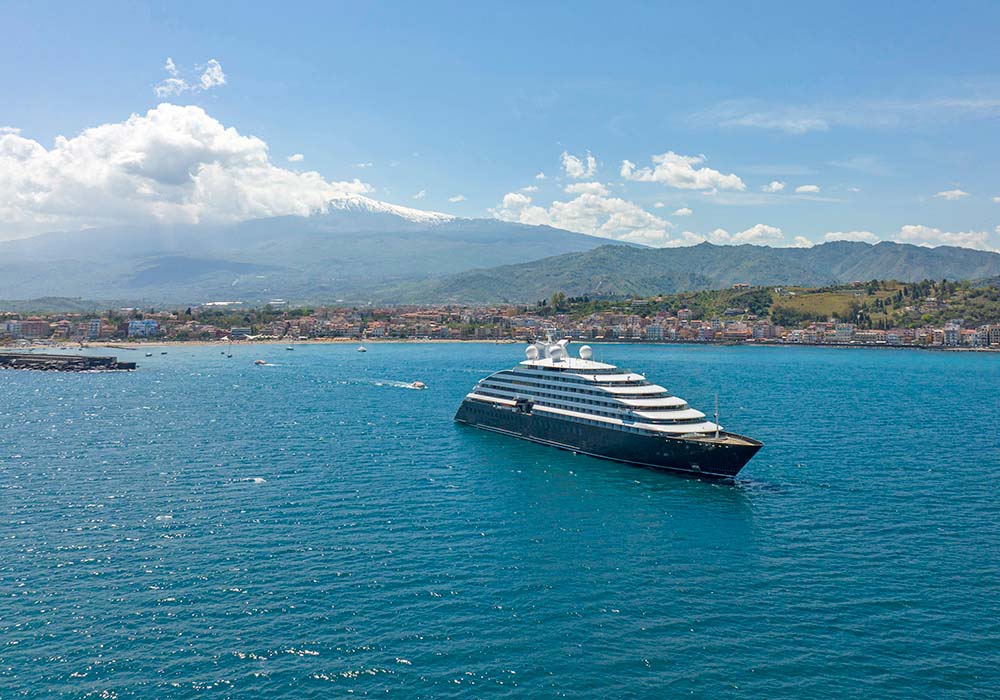
For travellers looking beyond the usual sun-and-sand escapes, South America is emerging as a compelling region to explore. One way to experience it in depth is through ultra-luxury ocean cruising. With access to remote coastlines, ever-changing scenery and thoughtfully curated itineraries, this style of travel allows for a more immersive and comfortable way to discover the continent. Here are some reasons to consider making a luxury South American cruise your next adventure:
1. A new perspective from the water: Exploring South America by sea offers a vantage point few travellers experience. The continent has a vast and varied coastline with dramatic fjords and wildlife often inaccessible by land. Ocean voyages, such as those on Scenic Discovery Yachts, let travellers access this landscape with a high level of comfort in all-inclusive ultra-luxury. Guests can also extend their journey with expedition cruise combinations that travel to Antarctica, allowing them to experience iconic highlights and remote regions without sacrificing ease or convenience.
2. Extraordinary natural diversity: Few places in the world offer such a wide range of landscapes in one region. From the glaciers of southern Chile to lush rainforests and rugged coastlines, South America delivers constantly changing scenery. This diversity makes it possible to experience multiple environments within a single journey, which can appeal to travellers who crave variety and discovery.

3. Access to remote and less-travelled destinations: Many of South America’s most remarkable places remain off the typical tourist path. Coastal inlets, isolated communities and hidden natural wonders often require complex logistics to reach by land. Travelling by sea opens these lesser-known destinations, like Paracas in Peru or Manta in Ecuador, allowing for more meaningful interactions and a deeper understanding of the region’s diverse identities.
4. Deep cultural connections: South America’s cultural richness is one of its greatest draws, with a mix of Indigenous heritage, colonial history and modern influences. Destinations like Chiloé Island showcase this through their unique folklore and architecture, while historic waterways such as the Strait of Magellan and Cape Horn can connect visitors to the journeys of legendary explorers.
5. A culinary journey through the region: Cuisine is an essential part of the travel experience, and South America offers a dynamic range of flavours shaped by its diverse geography and traditions. With regional specialties like Argentine grilled meats, Peruvian ceviche and Chilean empanadas, food becomes another way to connect with each destination and its culture.
With more travellers seeking out profound, experience-driven journeys, South America is coming into its own as a must-see destination. You can discover more about exploring the continent through ultra-luxury ocean cruising at scenic.cruises/ocean.
- Details
- Written by: News Canada
- Category: Travel Tips
It’s a dream vacation for many that’s more than just a trip. An ultra-luxury cruise is a carefully curated experience where every detail, from the ship to the itinerary, shapes your journey. Taking a thoughtful approach to planning can help you make sure your voyage matches your travel style and expectations. Here are some recommendations on how to plan a one-of-a-kind ocean voyage:
Read more: 5 tips for planning the perfect ultra-luxury ocean voyage
- Details
- Written by: News Editor
- Category: Travel News
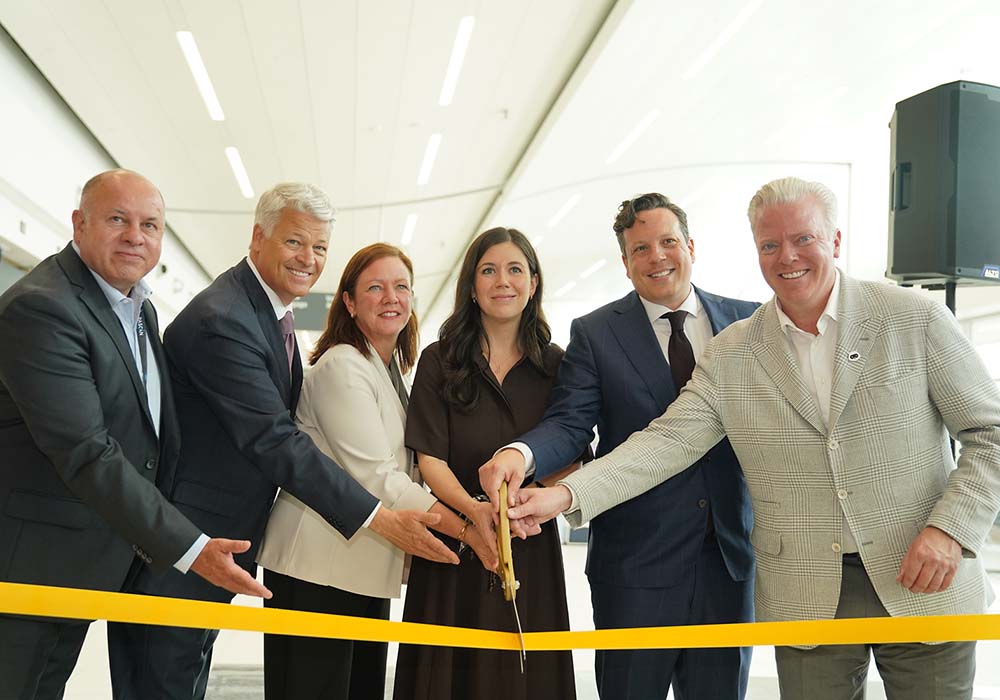
Montreal gained a new gateway this morning as MET, the city's second commercial airport, welcomed its first passengers through the YHU Terminal. Porter Airlines launched service to Vancouver, the first of 11 new routes linking Quebec's South Shore to cities across Canada. For travellers planning trips around World Cup season, the launch adds a timely new option beyond Trudeau.
Montreal woke up to a new travel option this morning. The MET, Montreal Metropolitan Airport, officially opened its YHU Terminal and welcomed its very first passengers, marking the start of commercial operations at a facility that has been more than three years in the making. Located about 15 kilometres from downtown Montreal in Longueuil's Saint-Hubert borough, the airport was long known as Saint-Hubert Airport and has spent most of its nearly century-long history handling general aviation, flight training and cargo traffic rather than scheduled passenger service.
Read more: Montreal's new MET airport opens the door to easier Canadian travel

- Details
- Written by: SearchTravelDeal Team
- Category: Travel News
Overtourism is reshaping how travellers think about Europe's most iconic cities. Intrepid Travel's new Uncommon Day Tours offer a smarter alternative: small-group, locally led experiences in Barcelona, Paris and Venice that take you off the beaten path and into the neighbourhoods where real life actually happens. Starting from $89 CAD, these two-to-three-hour tours are designed for travellers who want to explore responsibly, without skipping the magic.
Europe has never been more popular, or more strained. Cities like Barcelona, Venice and Paris draw tens of millions of visitors each year, and the pressure is showing up everywhere: in overwhelmed infrastructure, in residents pushed out of their own neighbourhoods and in tourists who spend hours queuing to see the same things as everyone else. The conversation in travel circles has shifted. It's no longer enough to ask where you're going. The question now is how you show up when you get there.
Read more: Beyond the tourist trail: Intrepid Travel's Uncommon Day Tours show Europe differently
- Details
- Written by: News Editor
- Category: Travel News
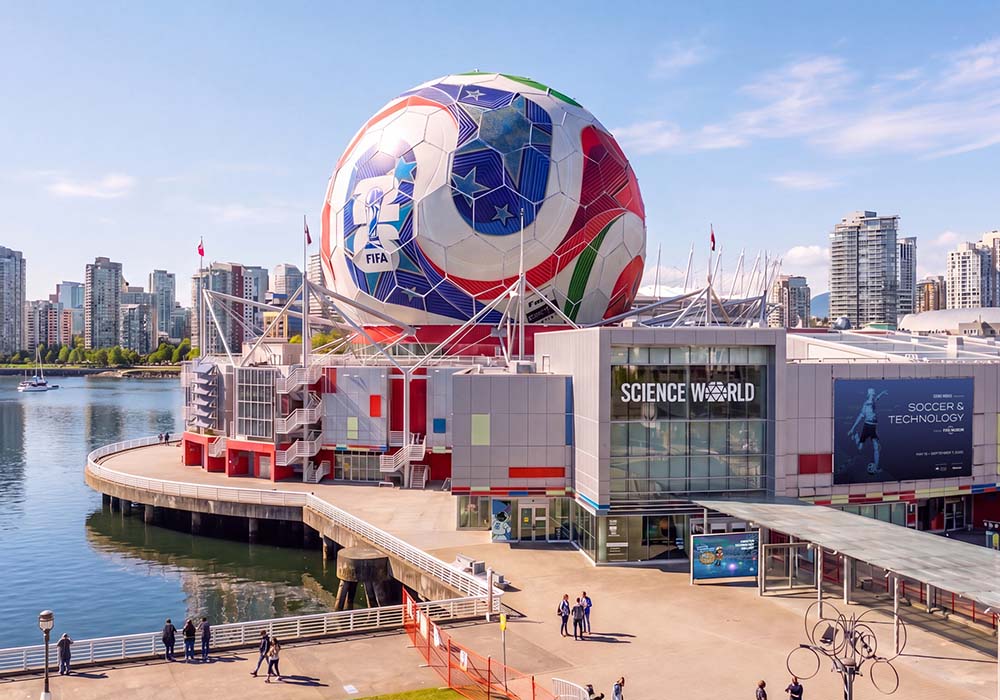
Vancouver's Science World is pulling off one of the boldest visual stunts of the FIFA World Cup 2026: transforming its beloved geodesic dome into a full-scale, 360-degree replica of the adidas Trionda, the tournament's official match ball. Dubbed "The Beautiful Dome," the installation covers the iconic 40-metre sphere with 131 custom panels. Inside, a landmark FIFA Museum exhibition opens on May 15. Here's everything travellers need to know.
Vancouver has always had a flair for the dramatic. The city that stunned the world at Expo 86, and again at the 2010 Winter Olympics, is doing it once more with one of the most creative landmark activations the FIFA World Cup 2026 has seen so far. Starting 6 May 2026, Science World's famous geodesic dome, perched beside False Creek in the heart of the city, is being wrapped in 131 custom-shaped panels to recreate the adidas Trionda: The official match ball of the 2026 tournament.
Read more: Vancouver's Science World dome becomes the FIFA World Cup 2026 official match ball
- Details
- Written by: News Editor
- Category: Travel News
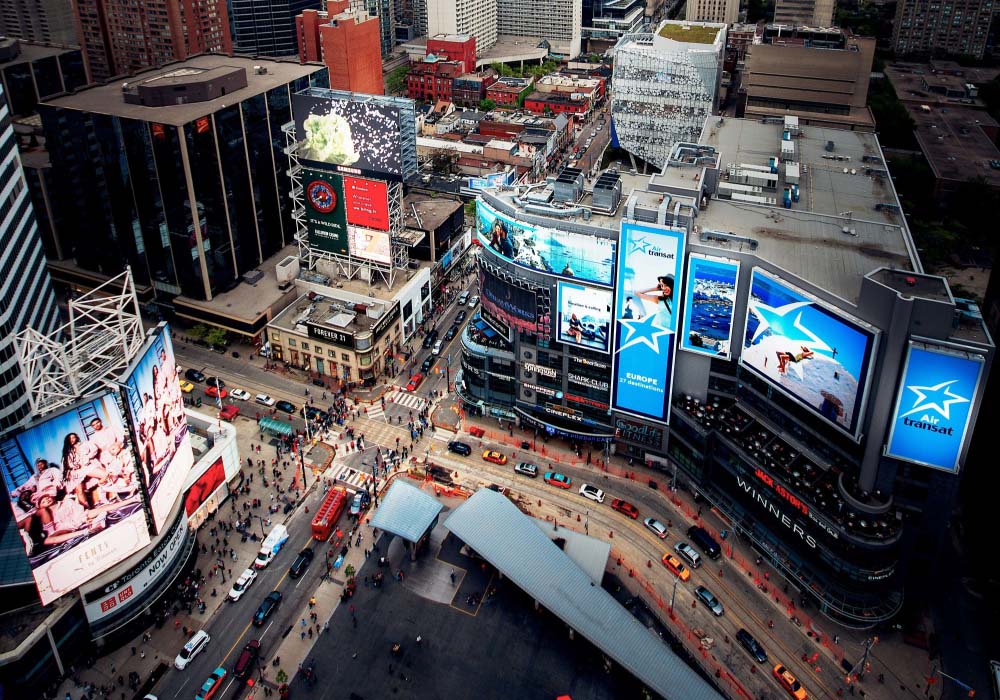
The FIFA World Cup 2026 is bringing the world to Toronto this summer, and new research from Destination Ontario reveals that the excitement extends well beyond the city limits. Nine in ten visiting fans plan to explore other parts of Ontario during their trip, with Niagara leading the way. From thundering waterfalls to Parliament Hill to pristine provincial parks, this is Canada's biggest tourism moment in a generation.
This summer, Toronto becomes the centre of the football universe. Six FIFA World Cup 2026 matches will be hosted at Toronto Stadium at Exhibition Place, kicking off with a historic milestone: Canada's Men's National Team facing their opponents on home soil for the first time on June 12, 2026. That alone would be enough to electrify the city. But according to new research from Destination Ontario, the tournament's ripple effect extends far beyond the stadium gates and city limits. International fans are arriving with well-planned itineraries, and Ontario as a whole stands to benefit in ways that could reshape the province's global tourism profile for years to come.
- Details
- Written by: News Editor
- Category: Travel Tips
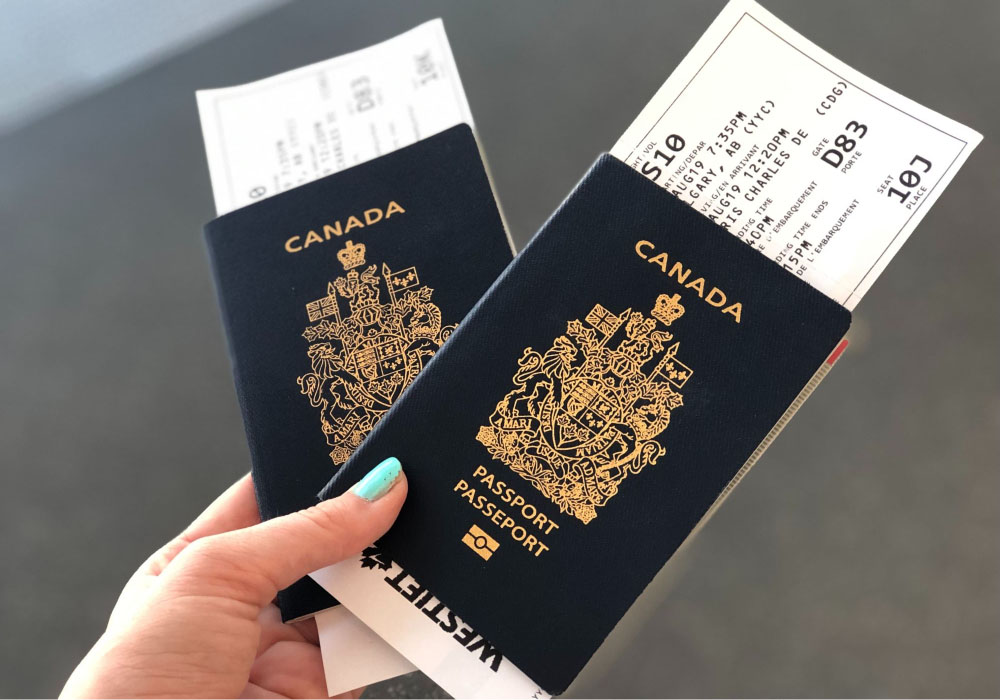
Holding dual citizenship opens doors to multiple countries and cultures, but it also comes with layered responsibilities that many travellers underestimate. From entry requirements and passport obligations to taxes, military service, and restricted access to consular assistance, the rules differ dramatically depending on where you travel. This guide breaks down what Canadian dual citizens need to know before they book a flight, pack a bag, or assume they know the country waiting on the other side.
Many Canadians carry two passports and think little of it until they're standing at a border control desk in another country, being asked questions they didn't expect. Dual citizenship is a genuine privilege. It can open up visa-free travel, family connections, and professional opportunities across two countries. But it also creates a web of obligations, restrictions, and risks that vary widely from one nation to the next.
Read more: Dual citizenship and travel: What every Canadian needs to know before crossing a border
- Details
- Written by: News Editor
- Category: Travel News
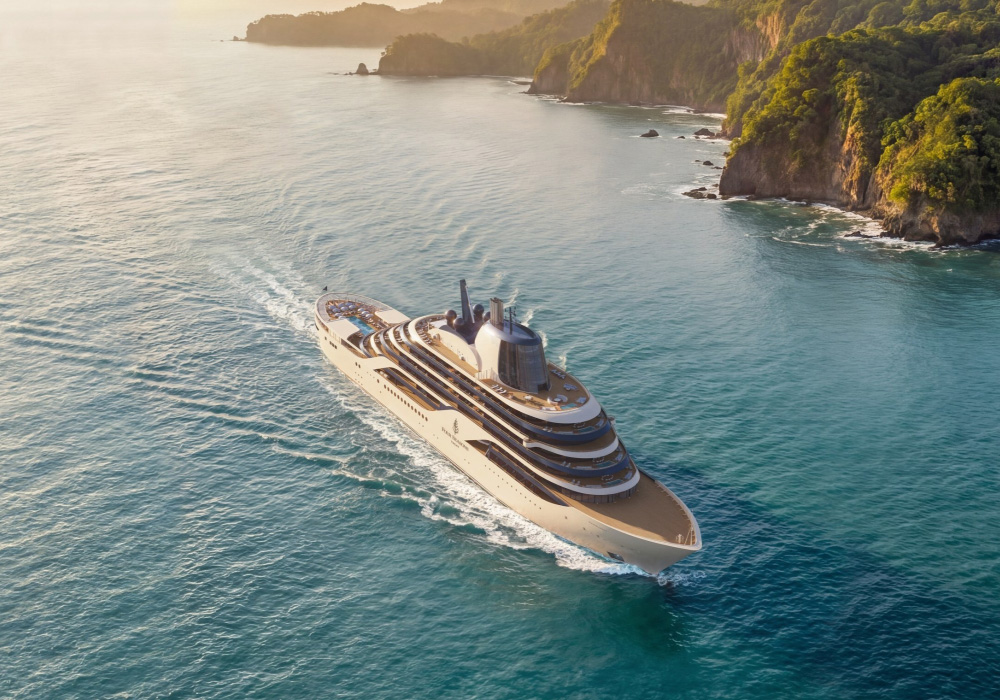
Four Seasons Yachts has unveiled its 2027–2028 Caribbean season, featuring 18 curated voyages and 18 new destinations, including the marquee addition of Costa Rica. From whale-watching along the Pacific coast to late-night stays in Cartagena and festive sailings through the Lesser Antilles, each itinerary is designed around intimate marinas and lightly visited ports. This is luxury travel at sea, built around discovery, depth, and genuine connection to place.
The Caribbean has always rewarded those who arrive by sea. There's a particular kind of access that comes with dropping anchor in a harbour too shallow for large ships, or pulling into a private marina where the jungle meets the waterline.
Read more: Luxury at sea redefined: Four Seasons Yachts unveils 18 new Caribbean voyages for 2027
- Details
- Written by: News Editor
- Category: Travel News
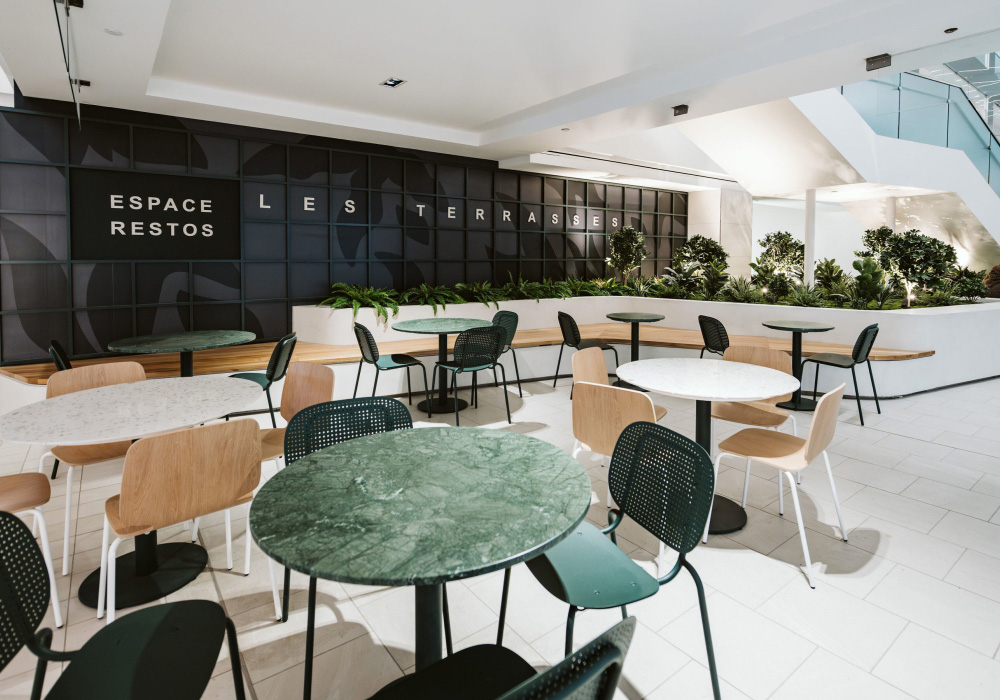
Centre Eaton de Montréal has opened Les Terrasses, Espace Restos, a beautifully reimagined food hall on the Tunnel level of downtown Montréal's most visited shopping destination. Honouring the legacy of the original Les Terrasses complex that stood on the same site from 1976 to 1987, this vibrant new space features 12 carefully curated vendors, sustainable design, and a warm communal atmosphere perfect for locals and visitors alike.
Some names carry a city's memory long after the buildings themselves are gone. For Montréal, "Les Terrasses" is one of them.
Between 1976 and 1987, the original Les Terrasses complex at 705 Sainte-Catherine Street West was one of the most architecturally distinctive shopping experiences in the country. It was a triangular spiral of colour-coded floors, lush greenery, and 140 stores that felt almost impossibly ambitious for its era.
- Details
- Written by: News Editor
- Category: Travel News
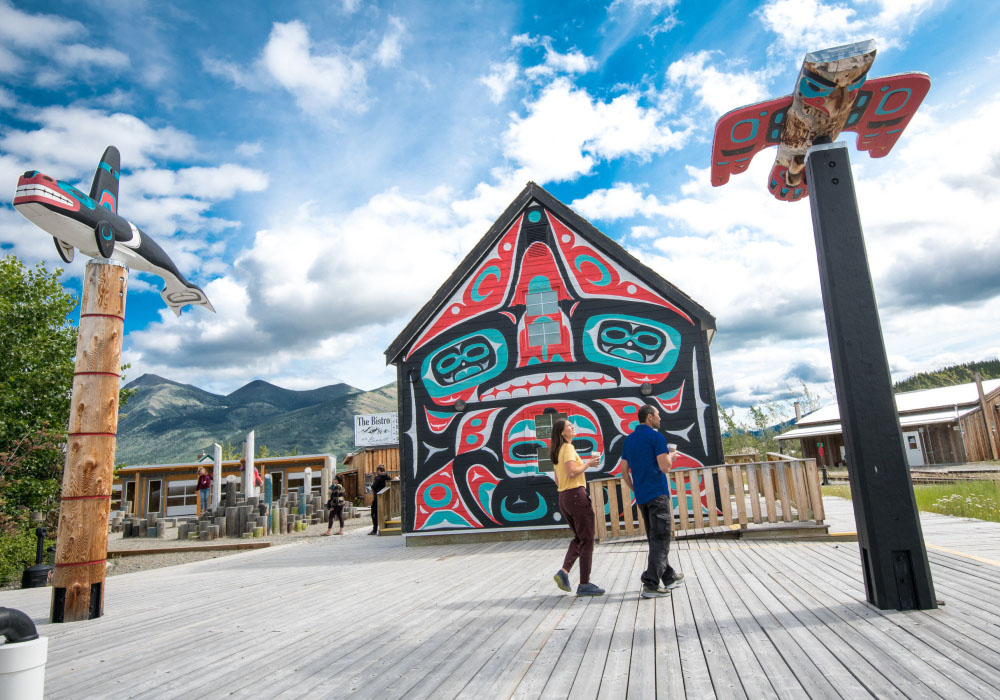
Intrepid Travel has announced a major five-year investment to expand Indigenous-led tourism experiences across Canada. The partnership with ITAC aims to reshape how travellers engage with Indigenous cultures nationwide.
Canada’s Indigenous tourism sector is set for a significant boost following a landmark agreement between Intrepid Travel and the Indigenous Tourism Association of Canada (ITAC). Announced in Victoria, British Columbia, the partnership commits CA$500,000 over five years to support the development, promotion, and long-term sustainability of Indigenous-led tourism experiences across the country.
Read more: A landmark partnership sets a new standard for Indigenous tourism in Canada

- Details
- Written by: News Editor
- Category: Travel News
Canadians aged 55+ are redefining how travel looks in 2026, from domestic exploration to wellness-driven journeys. Their confidence, spending power, and digital fluency are shaping a more intentional way to explore closer to home.
As travel trends for 2026 come into focus, one influential group is quietly redefining how, why, and where we travel. Canadians aged 55 and over, now representing nearly one-third of the country’s population, are emerging as powerful drivers of change across technology, wellness, and, increasingly, travel. Their choices reveal a clear shift toward thoughtful exploration, comfort-led journeys, and meaningful experiences that balance curiosity with ease.
Read more: The new travel tastemakers: How Canadians 55+ are shaping the way we explore in 2026
Get our latest stories straight into your inbox!


SearchTravelDeal.com participates in affiliate marketing programs, which means we may earn a commission if you purchase an item featured on our site. These affiliate links, along with advertisements, support us and they come to no expense for you.