
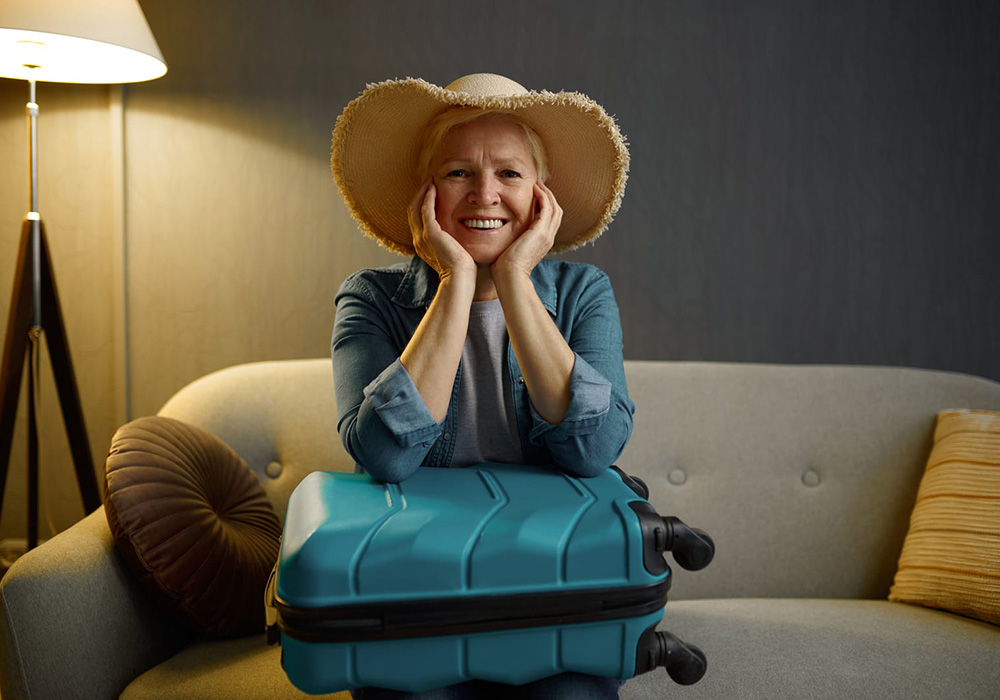
Canadians aged 55+ are redefining how travel looks in 2026, from domestic exploration to wellness-driven journeys. Their confidence, spending power, and digital fluency are shaping a more intentional way to explore closer to home.
As travel trends for 2026 come into focus, one influential group is quietly redefining how, why, and where we travel. Canadians aged 55 and over, now representing nearly one-third of the country’s population, are emerging as powerful drivers of change across technology, wellness, and, increasingly, travel. Their choices reveal a clear shift toward thoughtful exploration, comfort-led journeys, and meaningful experiences that balance curiosity with ease.
According to new insights shared by HomeEquity Bank, older Canadians are approaching travel with confidence, digital fluency, and a renewed sense of priority. Travel is no longer treated as a discretionary indulgence. It is positioned as an essential part of lifestyle, health, and personal fulfilment, even amid broader economic uncertainty.
Domestic travel takes centre stage
One of the strongest signals coming from Canadians 55+ is a sustained commitment to travelling within Canada. Nearly half plan to explore more destinations at home in the coming year, supported by travel budgets that are holding steady or increasing for most respondents. This points to a growing appreciation for Canada’s diverse regions, from coastal road trips and small-town escapes to national parks and cultural cities.
Domestic travel offers several advantages that align with this group’s priorities. Shorter travel times, familiarity with healthcare systems, and reduced logistical friction all contribute to a sense of comfort and control. At the same time, many travellers are rediscovering the richness of local history, Indigenous culture, food scenes, and seasonal landscapes that rival international destinations.
For travel providers, this presents a clear opportunity to design itineraries that highlight depth over distance, slower pacing, and immersive local experiences.
Comfort, accessibility, and smart planning
Older travellers are highly intentional about how they move through the world. Direct routes, well-connected transport options, and accommodations that reduce physical strain are no longer niche requests. They are becoming baseline expectations.
Technology is playing a supportive role in this shift. A growing number of Canadians 55+ are using digital tools for trip planning, booking, translation, and itinerary management. Confidence in online transactions, including travel bookings, has risen significantly, signalling trust in well-designed digital platforms and a willingness to engage with travel brands online.
This comfort with technology is reshaping how trips are planned, favouring platforms that offer clarity, security, and intuitive user experiences.
Wellness-led travel decisions
Travel and wellness are increasingly intertwined for this demographic. Many travellers are prioritizing destinations and experiences that support physical health, mental balance, and long-term wellbeing. This includes nature-based escapes, spa and retreat stays, gentle adventure travel, and trips designed around hobbies and personal interests.
Spending patterns reinforce this trend. Health and wellness budgets are protected even when other discretionary spending is reduced. Travel that contributes to overall well-being is viewed as a worthwhile investment, not a luxury.
This mindset encourages travel experiences that feel restorative rather than rushed, and purposeful rather than performative.
A generation redefining what modern travel looks like
What makes this shift especially notable is that it challenges outdated assumptions about age and exploration. Canadians 55+ are digitally engaged, curious, and open to new tools and experiences. They are not following trends set by younger travellers. They are actively shaping them.
Their approach favours quality over quantity, planning over spontaneity, and connection over consumption. For destinations, airlines, hotels, and tour operators, understanding this audience is quickly becoming essential to staying relevant in 2026 and beyond.
As travel continues to evolve, one thing is clear. The future of meaningful, sustainable, and well-designed travel is being influenced by those who know exactly what they value and are confident enough to travel on their own terms.