
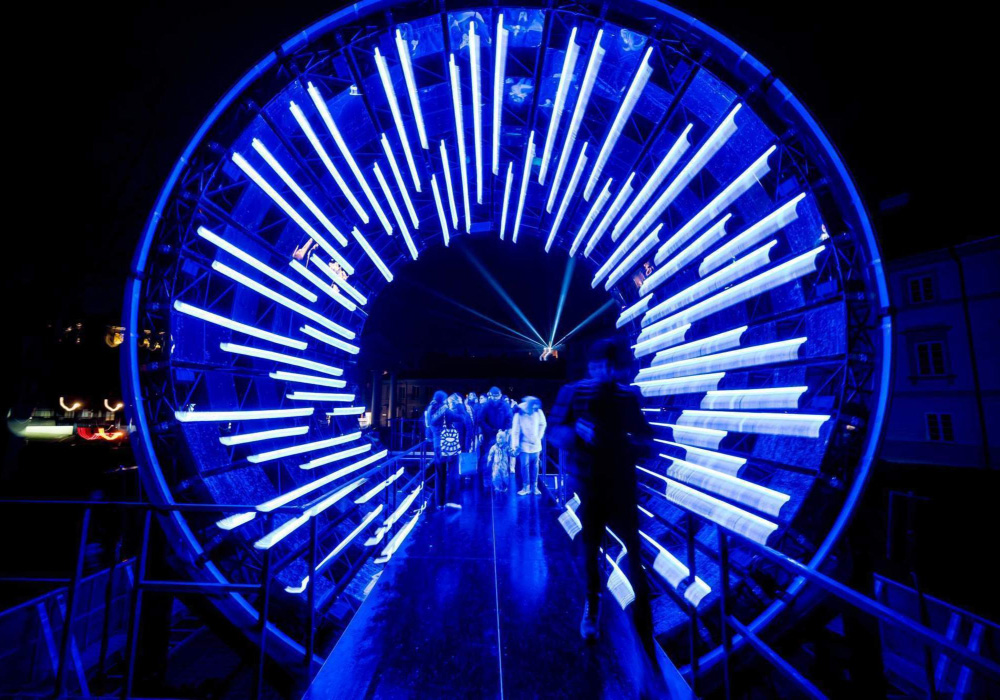
Vilnius celebrates its 703rd birthday by transforming winter darkness into a luminous open-air gallery. The 2026 Vilnius Light Festival positions the city at the heart of Europe’s growing noctourism movement.
January in Northern Europe often signals a slowdown in travel. In Vilnius, it marks the opposite. From January 23 to 25, 2026, the Lithuanian capital embraces its darkest season with confidence, creativity, and light. The Vilnius Light Festival returns for its eighth edition, transforming the UNESCO-listed Old Town into a three-night open-air exhibition of contemporary light art.
Running daily from 5:00 PM to 10:00 PM, the festival marks Vilnius’ 703rd birthday by inviting residents and visitors to experience the city after sunset. Historic façades, quiet courtyards, church interiors, and overlooked urban pockets become part of a carefully curated evening route featuring 24 illuminated installations. Admission remains free, reinforcing the city’s belief that culture functions as shared public infrastructure rather than gated entertainment.
Seeing Vilnius differently after dark
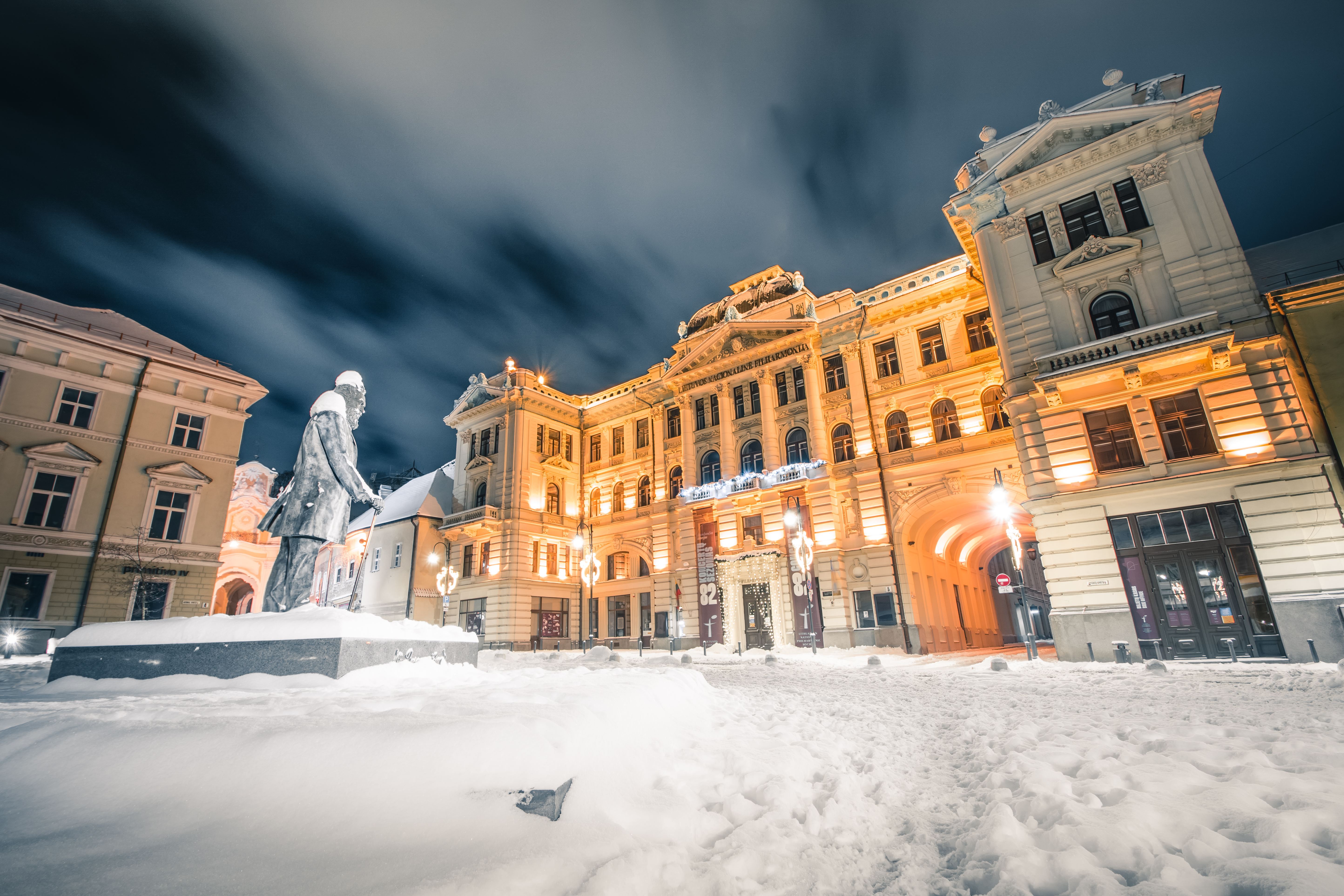
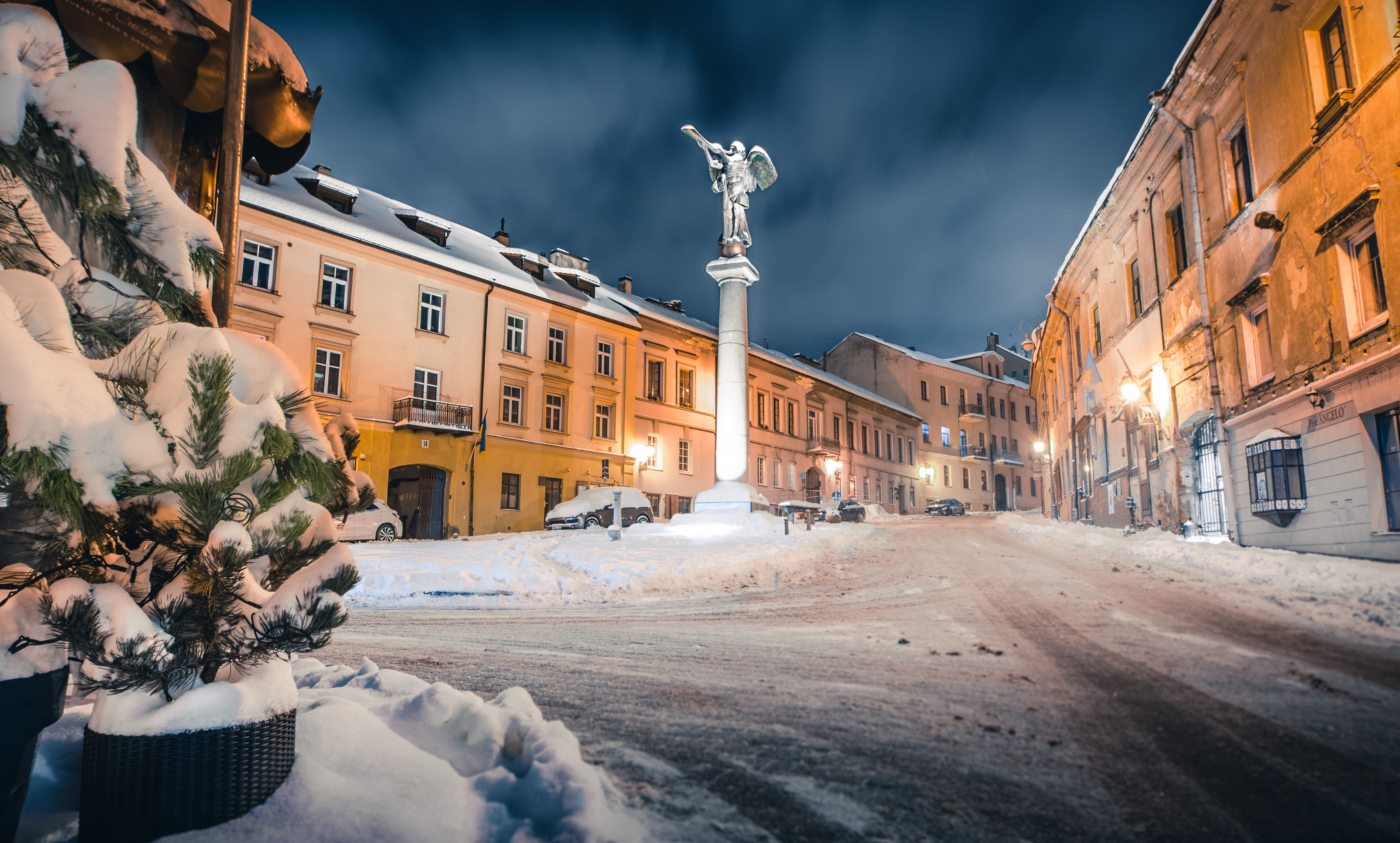
Set within the Vilnius Old Town, the festival reframes how the city is explored. Winter darkness becomes an asset rather than an obstacle, highlighting architectural details and spatial relationships that are often missed during daytime sightseeing. Baroque courtyards glow with renewed purpose, underground spaces invite curiosity, and quiet squares become gathering points.
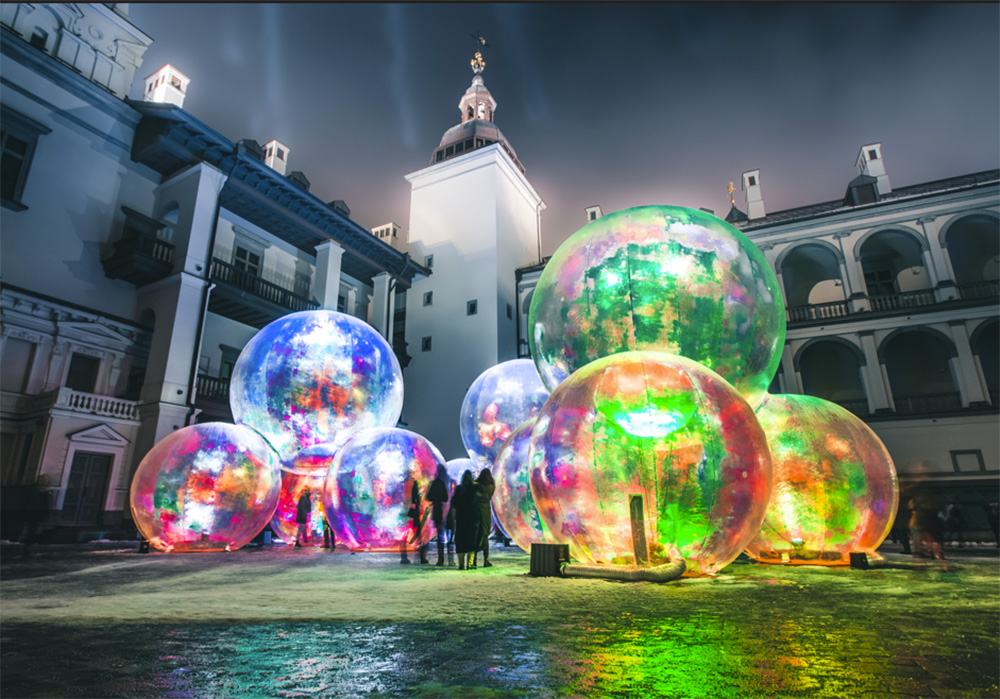
Festival organizers describe the experience as an invitation to slow down and look closely. Light acts as a storytelling tool, revealing familiar places from unexpected angles and encouraging repeat visitors to rediscover Vilnius through a different lens.
A perfect fit for the rise of noctourism
The 2026 edition arrives as noctourism gains traction among global travellers. This emerging travel style prioritizes cultural experiences that unfold after dark, from light festivals and night museums to evening city walks and late-opening exhibitions. Vilnius offers this format in a compact, accessible way, with a clearly mapped route that can be explored over several hours without advance planning.
The festival also aligns with evolving travel habits, particularly among younger travellers seeking short, experience-driven getaways. With many visitors now favouring one- or two-day international trips tied to specific events, Vilnius Light Festival functions as both a cultural anchor and a travel motivation. A winter weekend becomes a complete experience rather than a compromise season.
International artists and local voices in dialogue
Each edition of the festival balances international perspectives with local creativity. In 2026, the programme features works by artists from nine countries, alongside student projects and additional installations spread across the Old Town. Themes range from plant life and memory to optical perception, architecture, and space, creating a varied but cohesive evening journey.
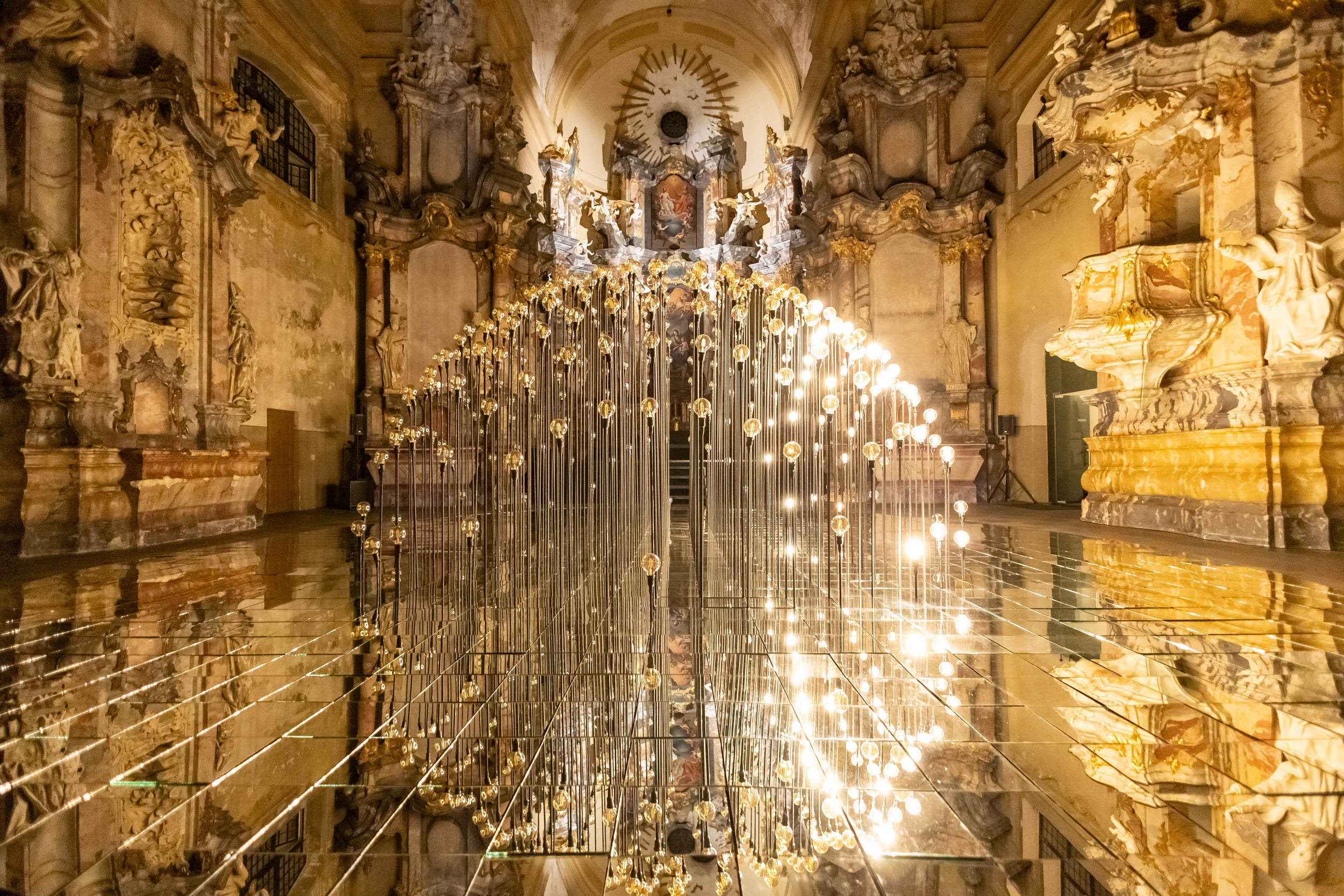
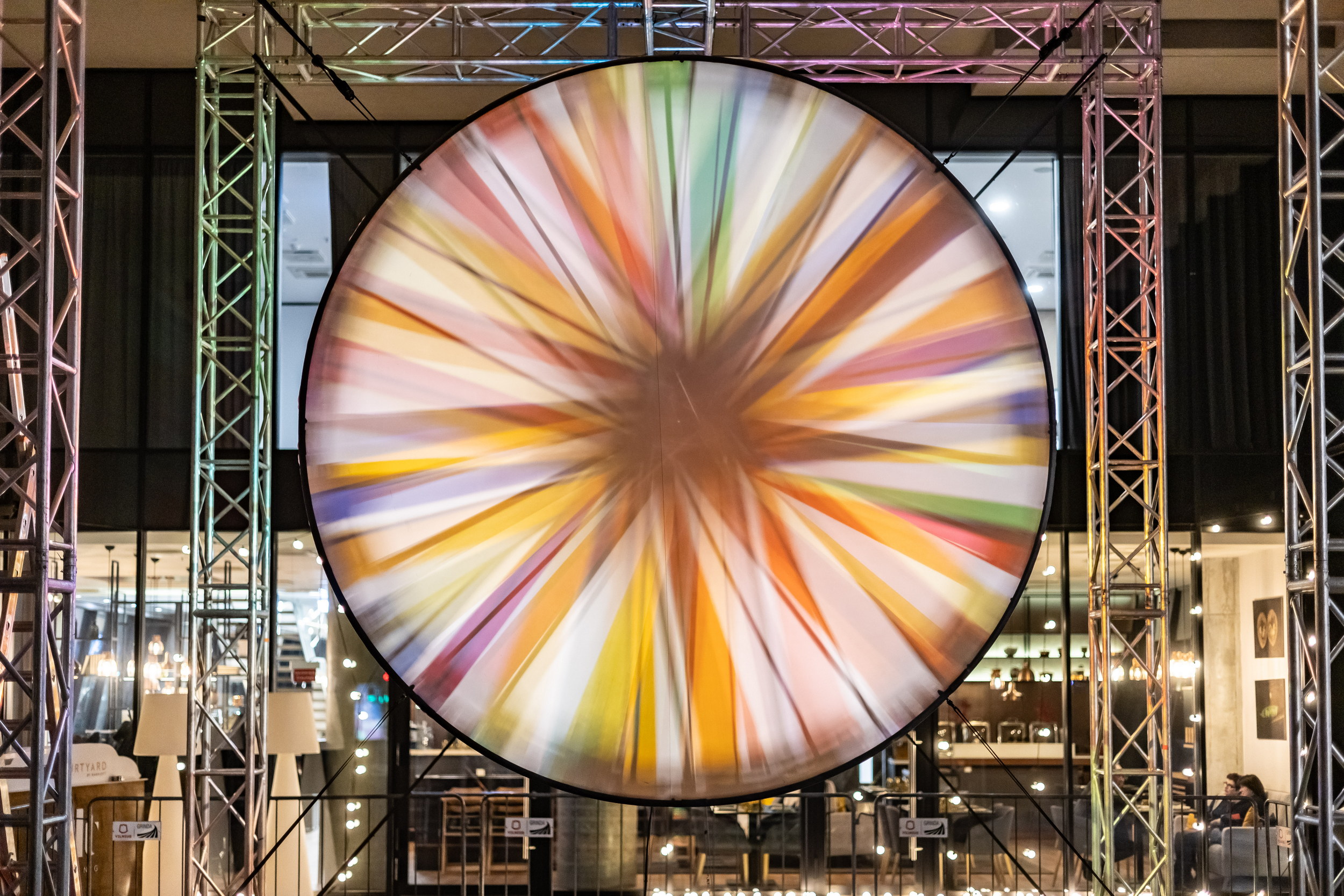
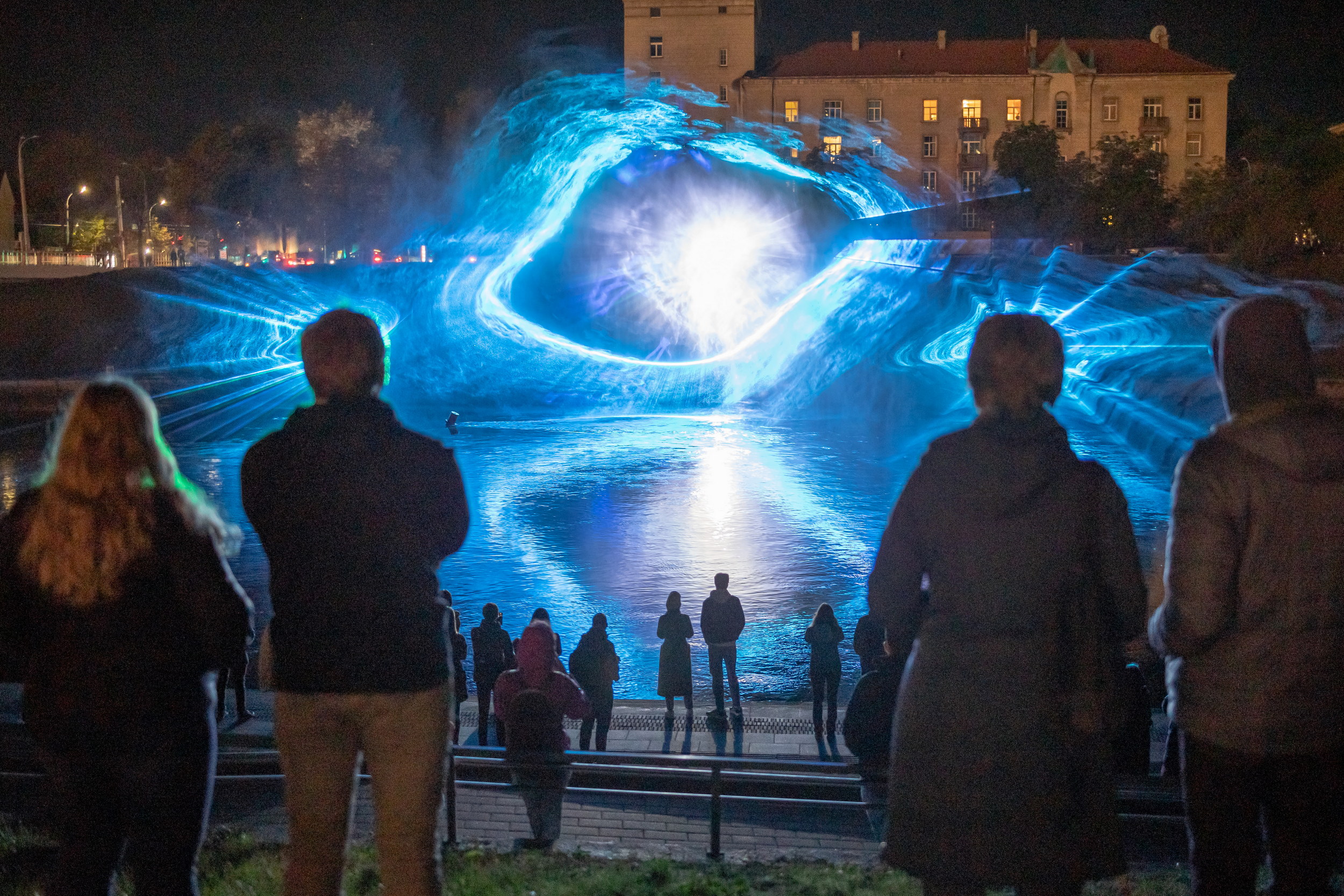
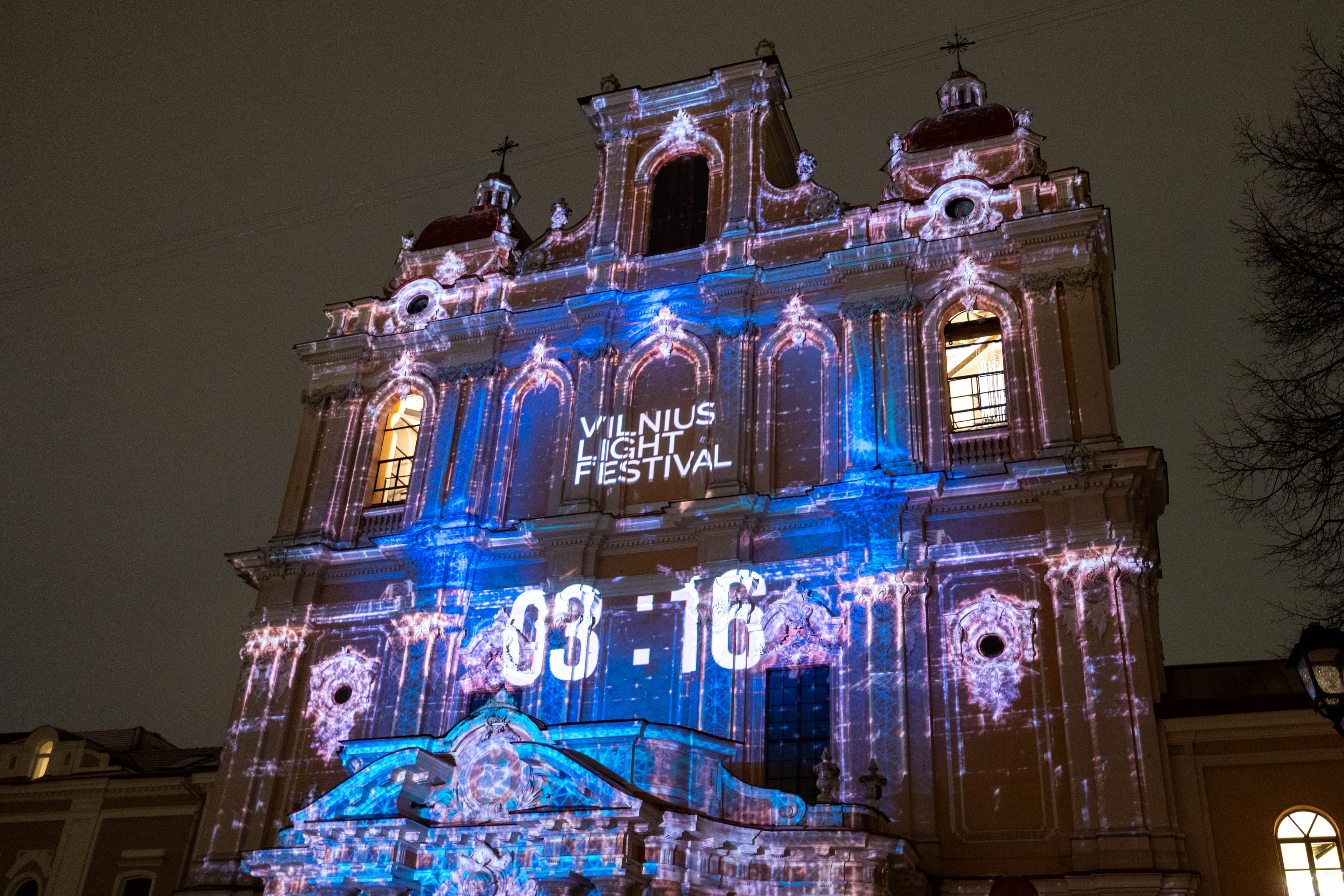
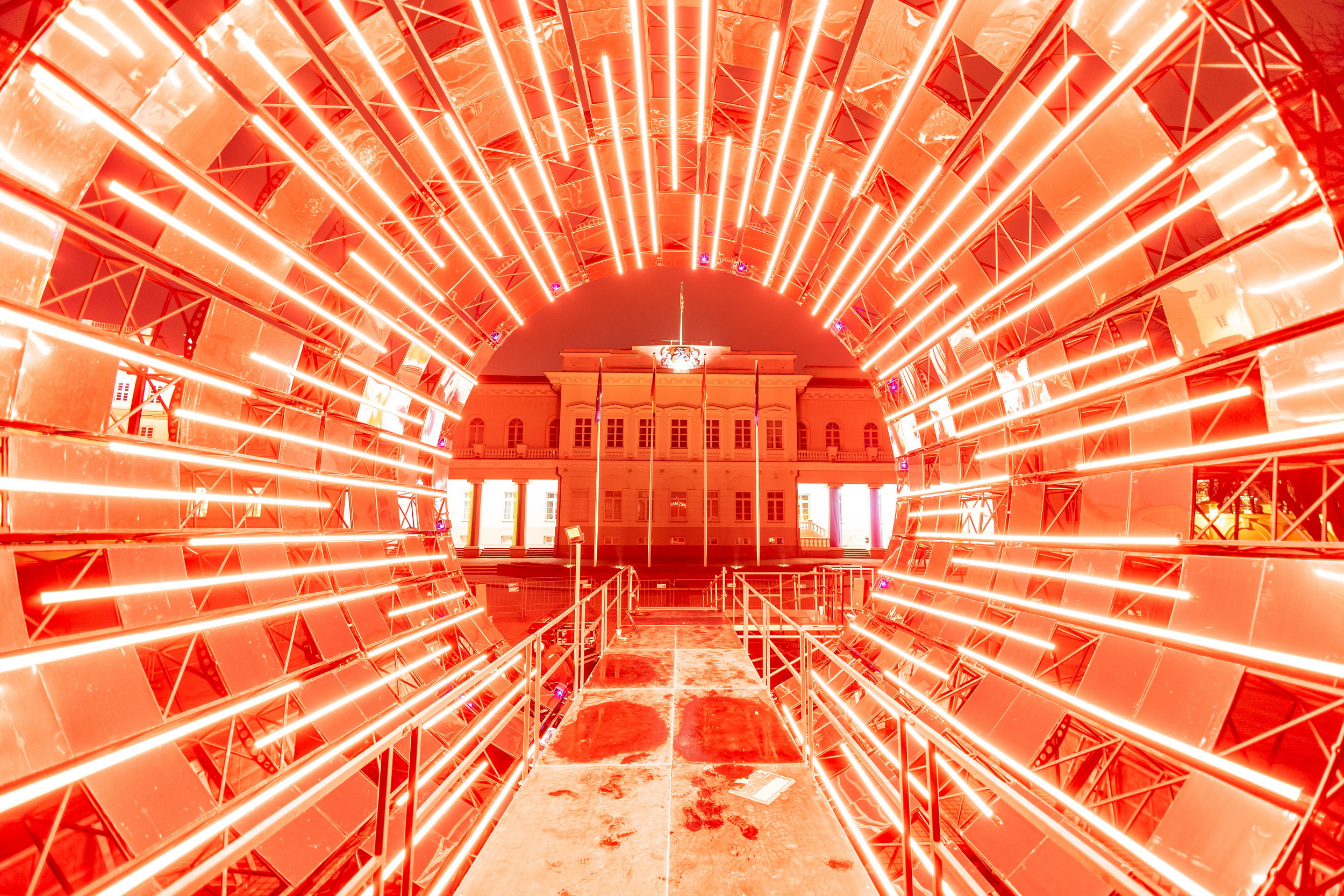
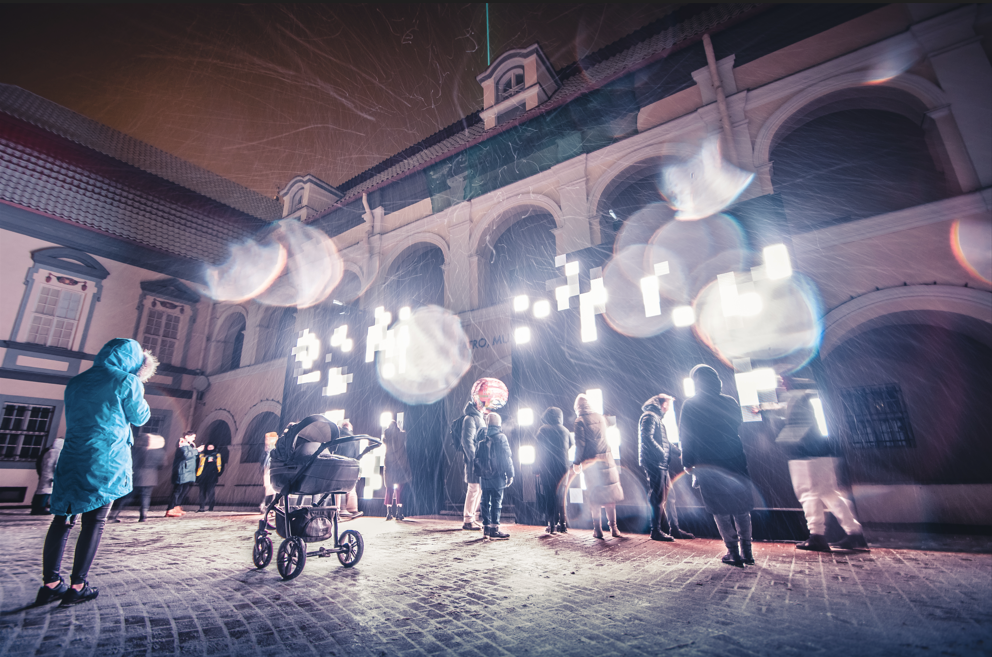
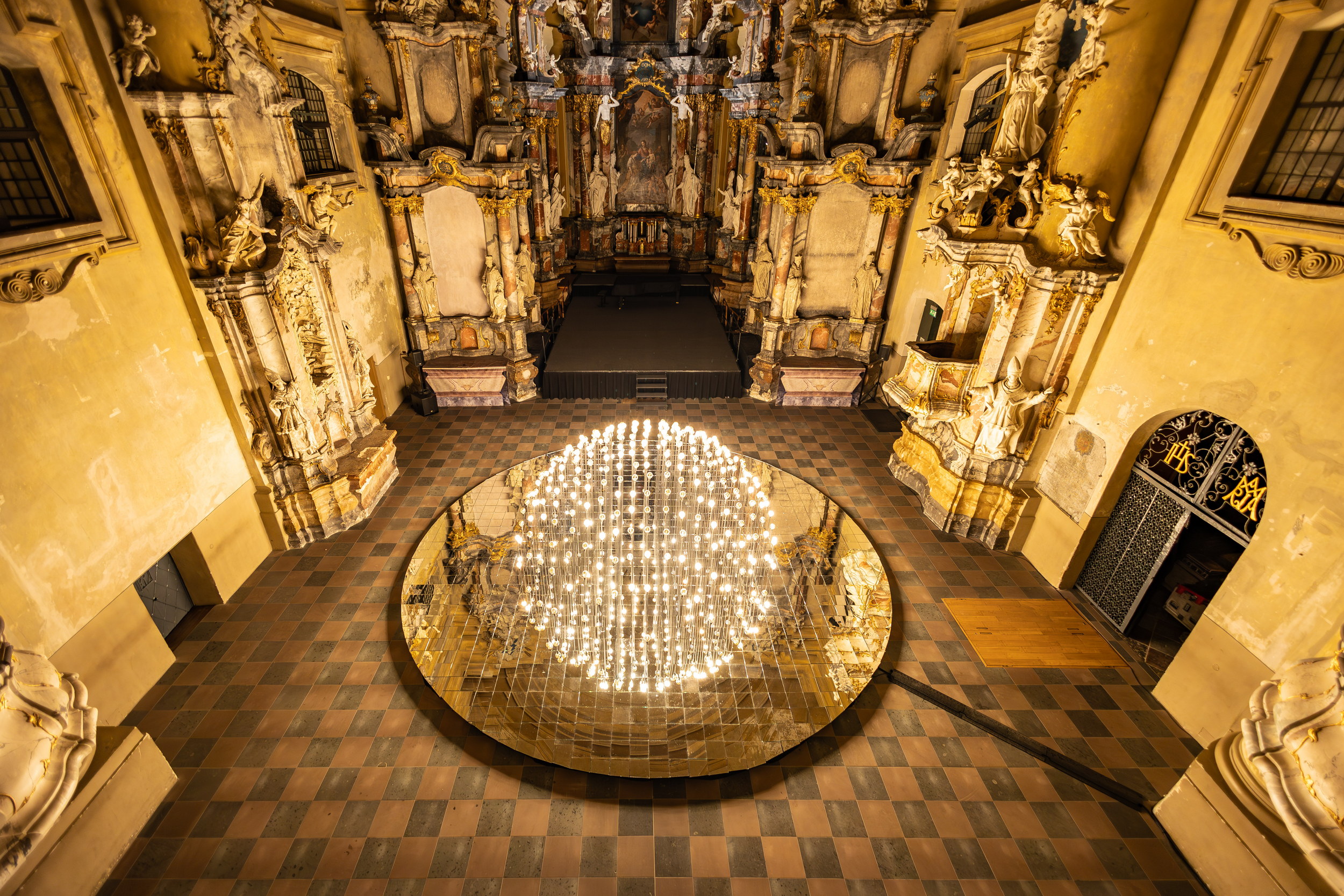
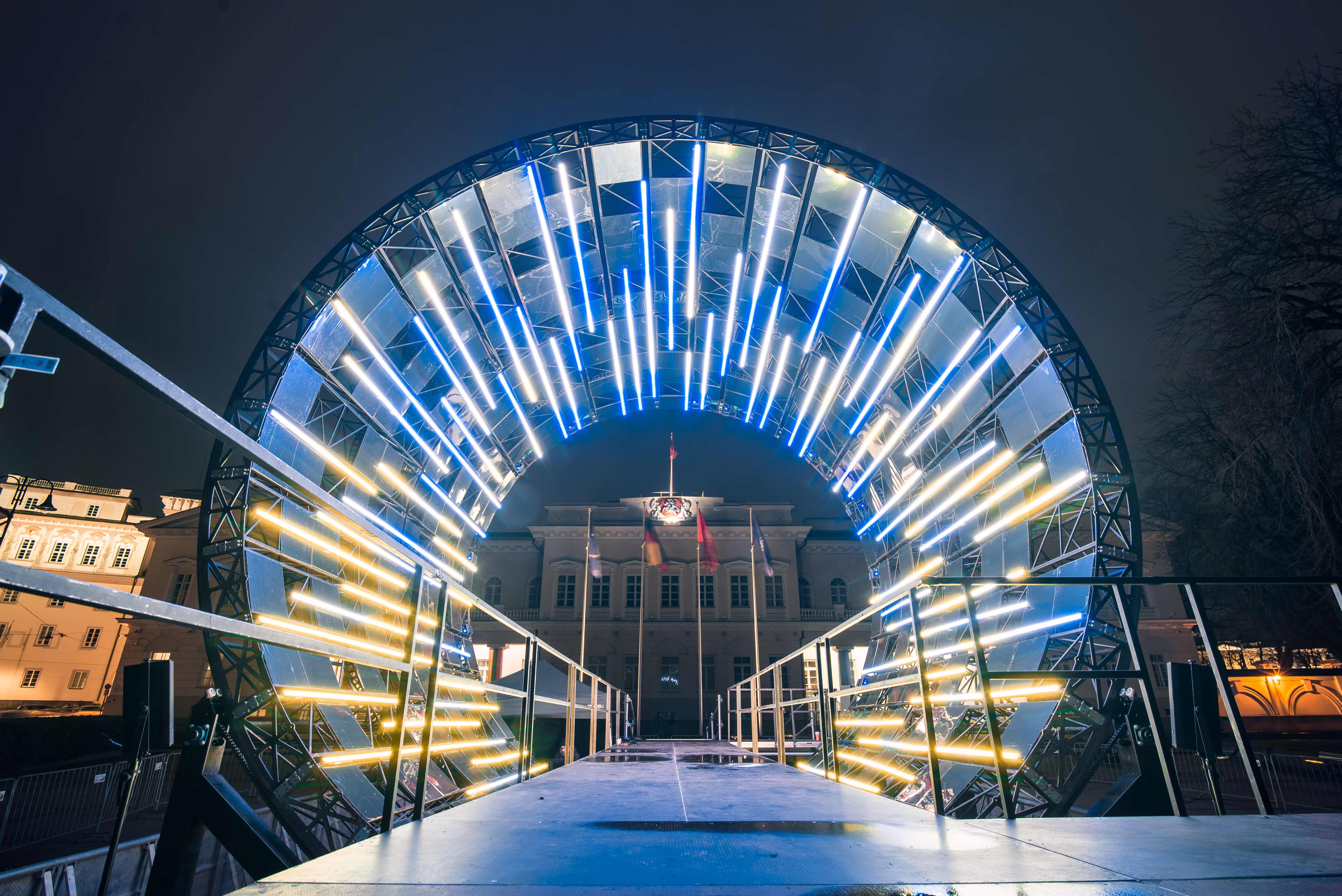
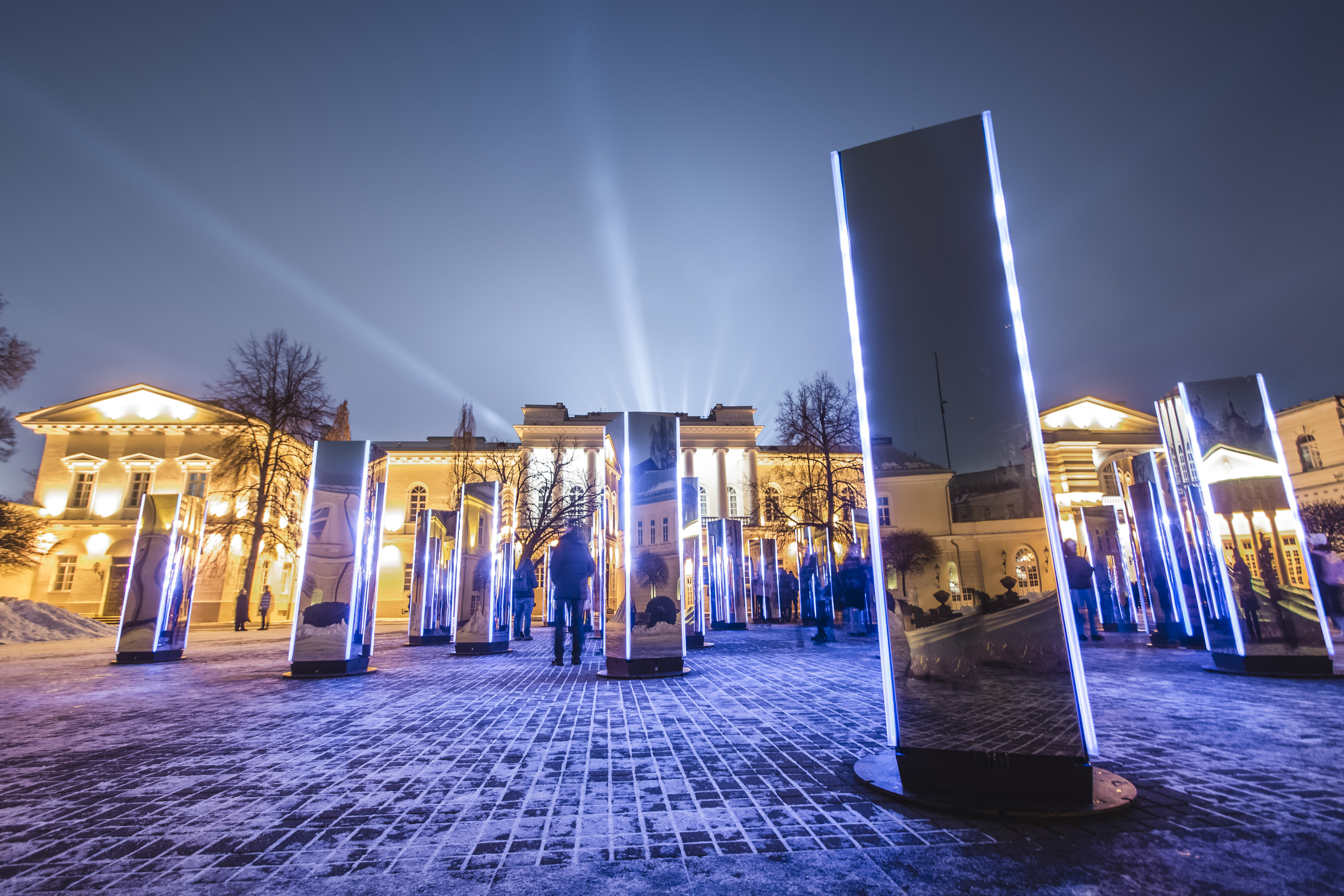
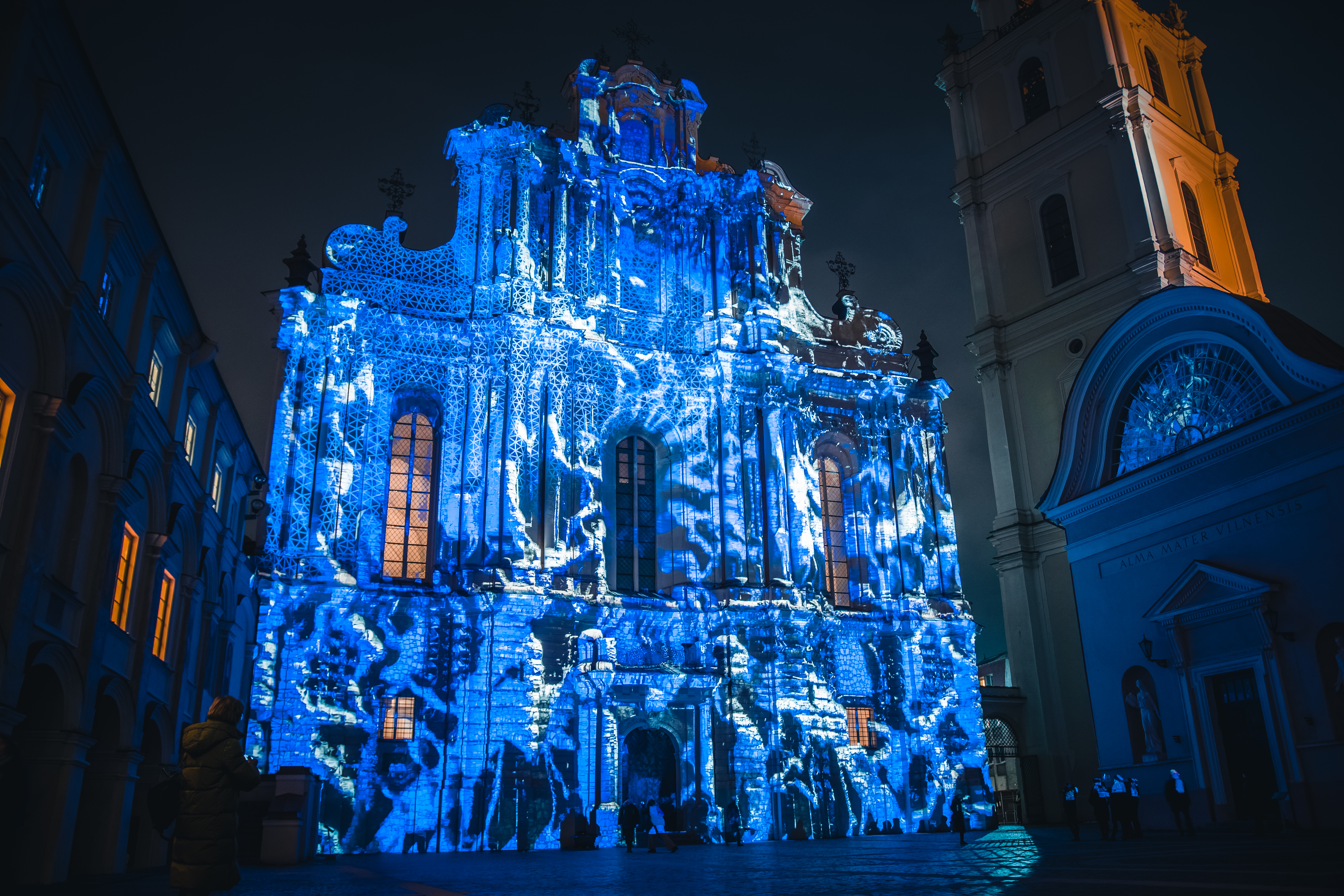
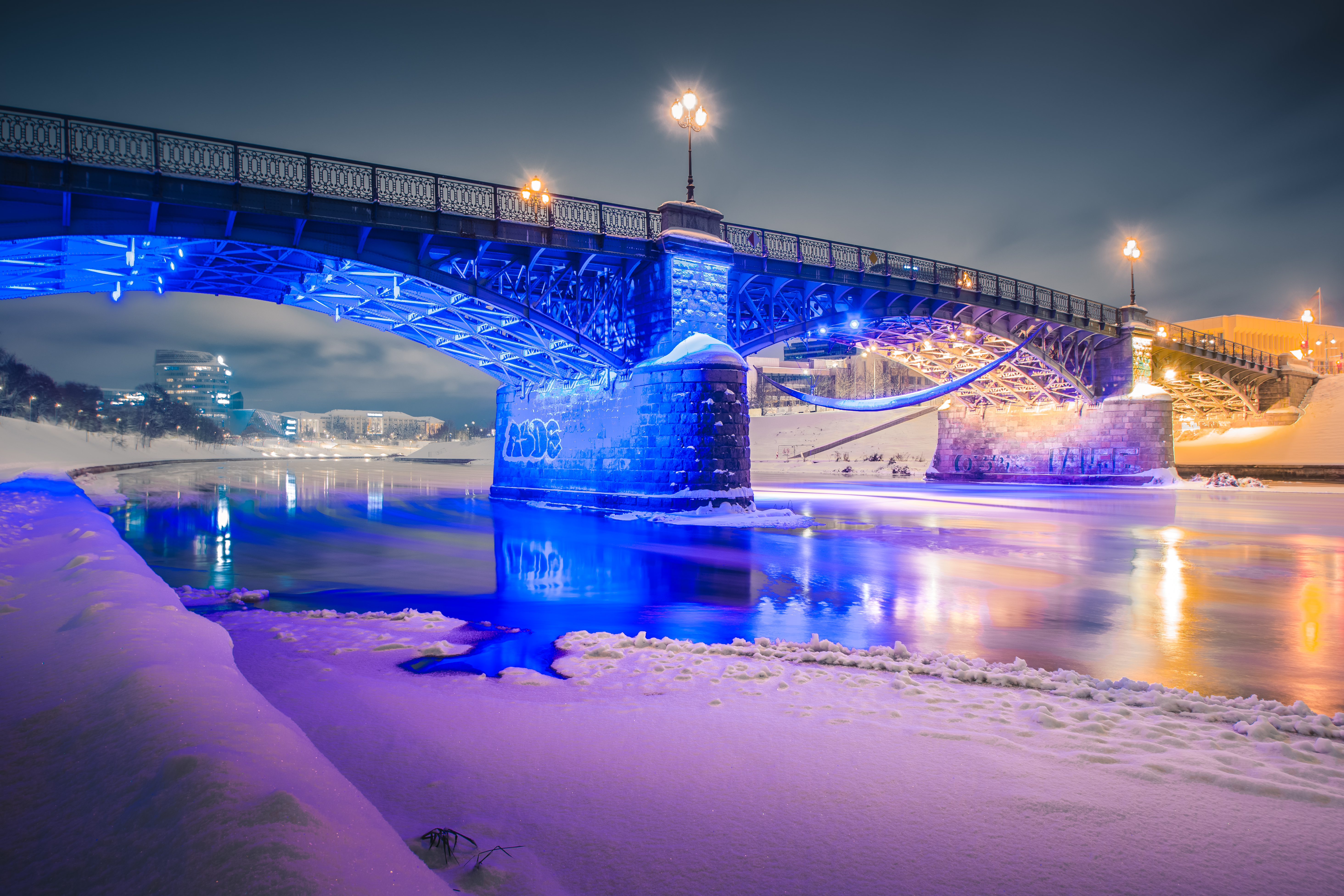
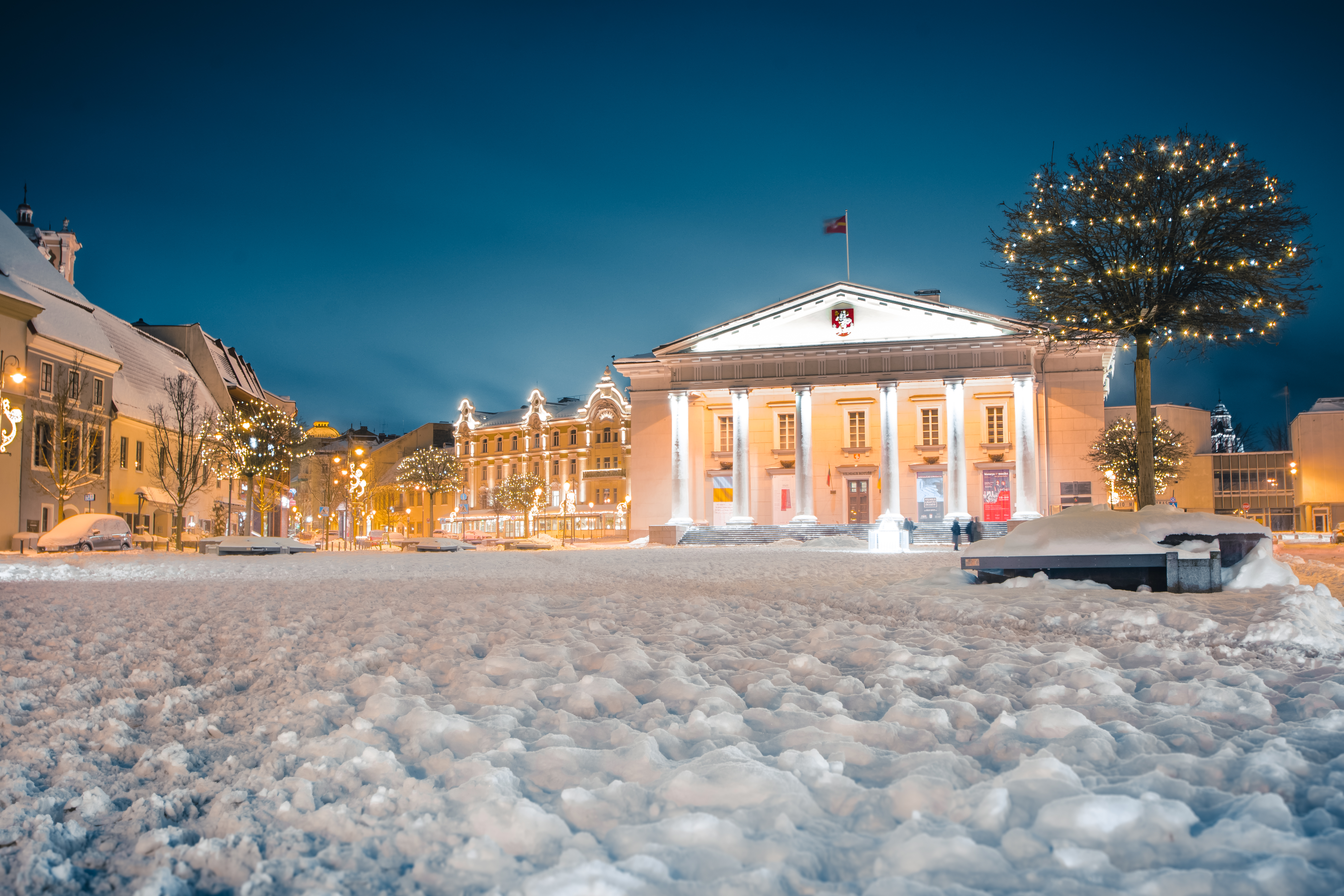
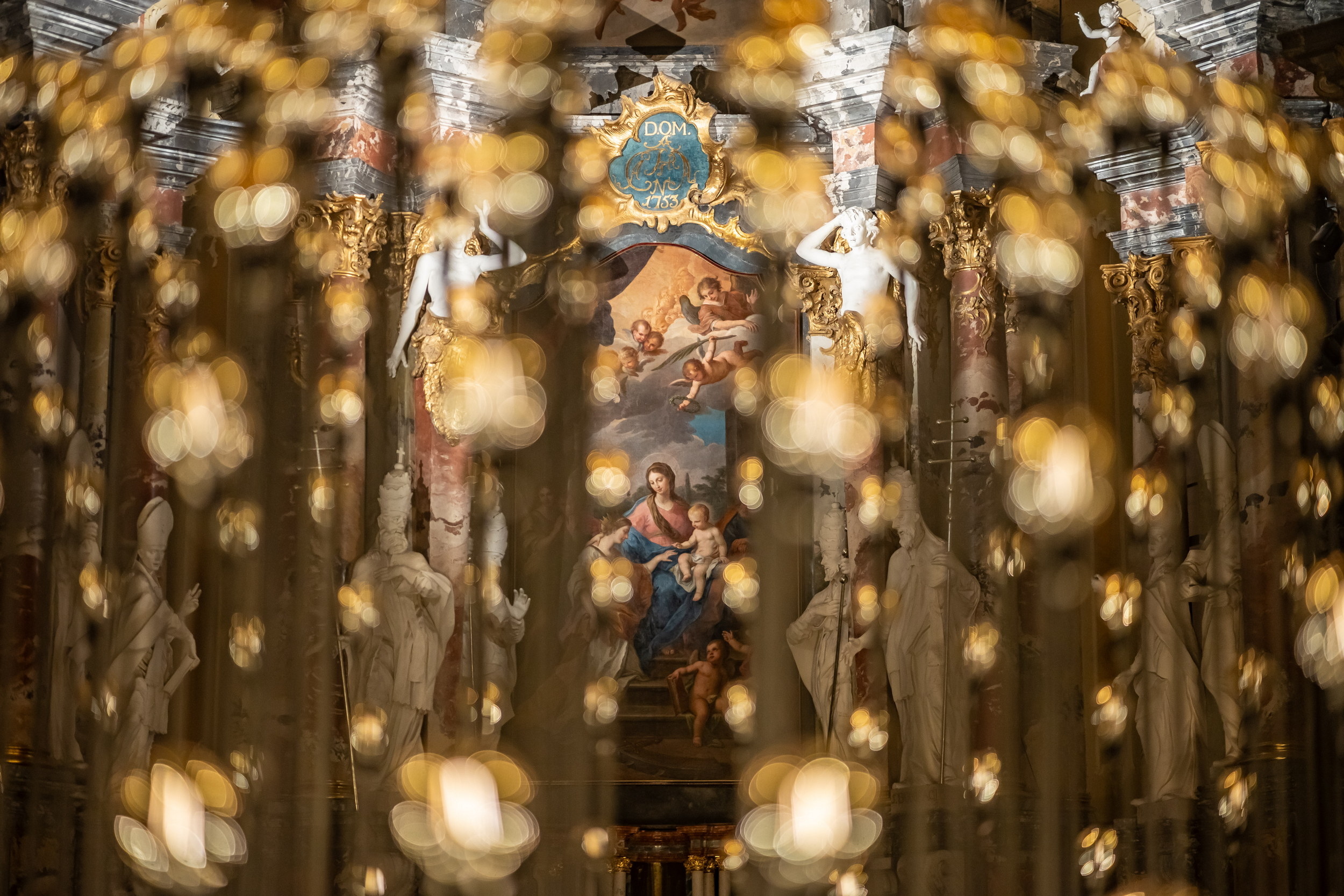


A few highlights help define the tone of this year’s programme:
- Liquid Lens by Italian artist Alessandro Lupi, an experimental exploration of optical illusion and perception.
- The Bird of a Thousand Voices is a kinetic installation by Dutch artist Boris Acket, which examines memory and imagination.
- Deviation by German artist Sven Sauer, which treats light as an architectural material shaping sensory space.
- Alcove Ltd. by Switzerland’s Encor Studio, playing with structure, light, and spatial intimacy.
- Memory Garden by Lithuanian artists Agnė Stirnė and Oskaras Stirna, transforming natural elements into interactive objects.
- αsκlipion, a plant-focused work by French artist Emilien Guesnard and collaborators from sound, biology, and herbalism.
The result is an experience that feels exploratory rather than overwhelming, encouraging visitors to wander, pause, and engage at their own pace.
Navigating the city with ease
To support exploration, the Vilnius Light Festival app provides maps, installation descriptions, and wayfinding tools for both iOS and Android. The Old Town’s compact layout allows most of the route to be completed on foot, even in winter conditions, while public transport offers easy access to installations further afield.
Vilnius’ manageable scale plays a significant role in the festival’s appeal. Visitors can move seamlessly between art, dining, and accommodation without long commutes or complex planning, a key advantage for short winter breaks.
Extending the experience beyond the lights
While evenings are reserved for the festival, daytime in Vilnius offers plenty of winter-friendly options within easy reach. Contemporary art lovers can explore the MO Museum, while the city’s dining scene includes Michelin-listed restaurants and independent cafés suited to cold-weather wandering. For something unexpected, Liepkalnis offers one of Europe’s most accessible urban ski slopes, located just minutes from the city centre.
This balance between structured evening programming and flexible daytime exploration makes Vilnius particularly appealing for travellers looking to maximize short stays.
Easy access for a winter city break
Vilnius is well-connected to major European hubs, with direct flights to Frankfurt, Copenhagen, Helsinki, Amsterdam, London, and Warsaw. Once on the ground, the city’s walkability and reliable public transport simplify movement between neighbourhoods and festival sites.
Despite winter temperatures, the Old Town remains comfortable to explore, especially in the early evening, when the installations are at their most atmospheric.
A birthday invitation after sunset
The Vilnius Light Festival has grown into more than a seasonal event. It reflects how the city positions itself culturally, confident, accessible, and willing to experiment with how public space is experienced. By anchoring its 703rd birthday celebrations in light, Vilnius invites visitors to experience the city after dark, on foot, and without barriers.
For travellers drawn to noctourism, winter festivals, and compact cultural escapes, Vilnius in January offers clarity of purpose and a strong sense of place. The lights may last only three nights, but the impression lingers well beyond the final installation.