
[powr-social-media-icons id="c09f5772_1769860611"]

Food is now driving travel decisions in powerful new ways. Across the globe, travellers are choosing destinations based on signature dishes, regional ingredients, and immersive dining experiences. From bustling street markets to Michelin-starred restaurants, culinary discovery shapes itineraries and deepens cultural connections. Taste-led travel transforms meals into meaningful moments, turning every bite into a gateway to history, identity, and local tradition.

Food now drives travel decisions in a way few trends have before. Instead of building itineraries around monuments and museums, travellers increasingly plan their journeys around markets, tasting menus, street stalls, and regional specialties. A destination’s culinary identity often becomes the primary reason to book a flight.

This shift reflects a deeper desire for cultural immersion. Meals provide direct access to tradition, geography, and social life. The flavours on a plate reveal climate, trade history, migration patterns, and family heritage. For culturally curious travellers, food offers an immediate connection. For digitally savvy explorers, it also delivers highly shareable moments that shape where others travel next.

Powered by GetYourGuide

As part of a broader movement toward experience-driven travel, taste-led itineraries now define how many people explore the world.

The rise of food tourism

Food tourism has moved from a niche interest to a mainstream travel strategy. Travellers now research signature dishes with the same intensity once reserved for landmarks. Culinary depth signals authenticity, and authenticity drives bookings.

Several clear shifts define this evolution:

  • Destinations are chosen for their culinary reputation
  • Local markets and food festivals become anchor experiences
  • Cooking classes and tasting tours replace standard city tours
  • Farm-to-table and sustainable dining influence hotel choices

Travel planning platforms, reviews, and social feeds reinforce this pattern. Highly rated restaurants often become as important as historic sites.

Traditional travel focusCulinary-driven focus
Monuments and landmarks Local dishes and dining rituals
Guided city tours Food markets and cooking classes
Shopping districts Farm visits and regional tastings

Food has become a lens through which travellers interpret place.

Social media and the visual appetite

Digital platforms amplify culinary curiosity. Instagram, TikTok, and YouTube elevate visually striking dishes into global phenomena. A single viral clip can shift tourism flows toward a neighbourhood bakery or a regional specialty.

Social media shapes food travel in measurable ways:

  • Visually bold dishes attract immediate attention
  • Influencer recommendations drive destination discovery
  • Short-form videos demystify unfamiliar ingredients
  • Hashtags elevate lesser-known culinary regions

This visibility builds momentum. Travellers increasingly seek out dishes they first encountered on their screens, turning digital inspiration into real-world itineraries.

Popular culinary destinations worth planning around

Certain cities have established global reputations for distinct food experiences. Whether you gravitate toward street-level energy or refined tasting menus, these destinations consistently deliver.

Street food capitals

Street food offers immediacy and intimacy. Vendors cook in front of you, recipes pass through generations, and flavours reflect daily life.

Pad Thai at night streetmarket on Yaowarat Road in Bangkok's Chinatown in Thailand.

Standout cities include:

  • Bangkok: Pad Thai, mango sticky rice, and vibrant night markets
  • Mumbai: Vada pav, pani puri, and bold vegetarian street snacks
  • Mexico City: Tacos al pastor and late-night churros
  • Istanbul: Döner kebab, simit bread, and baklava

Street food cities invite spontaneous tasting and cultural interaction. They offer affordability, variety, and authenticity in concentrated form.


Fine dining hubs

Refined culinary capitals attract travellers who value precision, creativity, and elevated dining rituals. These cities set global standards, where chefs reinterpret tradition through technique, presentation, and sourcing. Reservations are often secured weeks in advance, tasting menus unfold like narratives, and every course reflects a philosophy rooted in place.

  • Paris: The benchmark for haute cuisine, where Michelin-starred dining rooms honour classical French technique while contemporary chefs reinterpret sauces, pâtisserie, and regional terroir with modern restraint.
  • Tokyo: A masterclass in precision. Sushi counters, intimate kaiseki restaurants, and hyper-seasonal menus highlight discipline, balance, and respect for ingredients at their peak.
  • New York City: A dynamic culinary laboratory where global migration fuels innovation. Chef-led restaurants blend cultures, techniques, and storytelling into bold, ever-evolving tasting experiences.
  • Barcelona: Catalan seafood, inventive tapas, and avant-garde plating reflect a city where tradition and experimentation coexist effortlessly.

In these destinations, fine dining becomes immersive theatre. Courses arrive with context, techniques reflect years of refinement, and sourcing decisions reveal commitment to seasonality and sustainability. The result is a meal that captures the city's cultural identity through a series of meticulously crafted bites.

Powered by GetYourGuide

Markets and food festivals

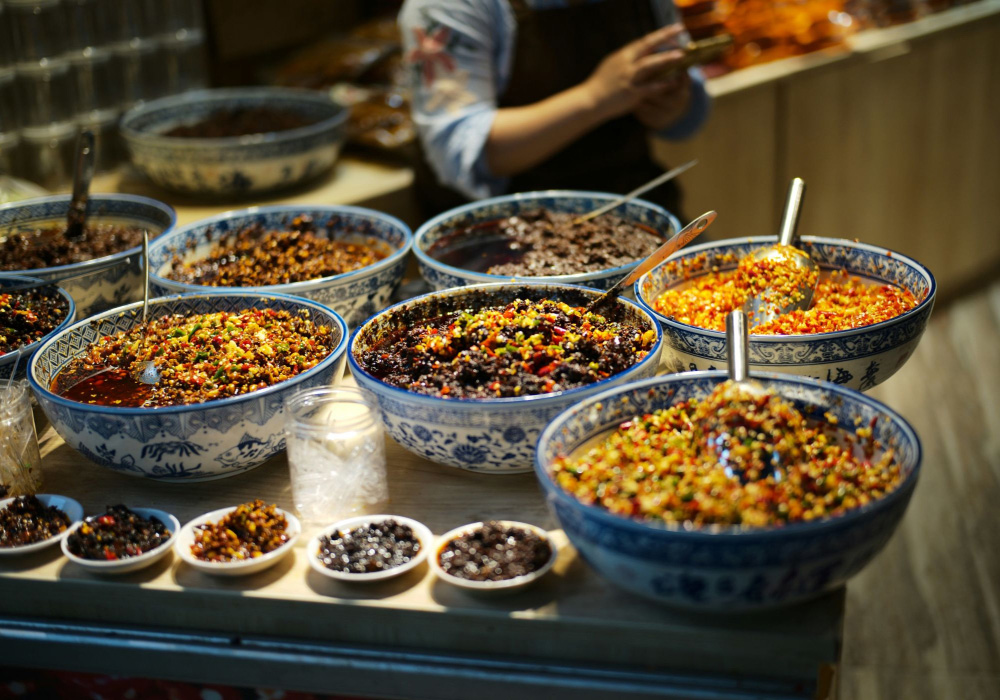
Markets and festivals offer concentrated exposure to regional flavours, bringing together producers, cooks, and communities in one vibrant setting. For travellers who want to understand a destination through its ingredients, these spaces provide immediate immersion. You can sample multiple specialties within a few hours, observe preparation techniques up close, and engage directly with the people who shape the local food culture.

Notable examples include:

  • La Boqueria in Barcelona, where stalls overflow with Iberian ham, fresh seafood, seasonal fruits, and ready-to-eat tapas reflecting Catalan culinary identity.
  • Tsukiji Outer Market in Tokyo is known for its seafood vendors, knife shops, and street-side counters serving ultra-fresh sushi and grilled delicacies.
  • Oktoberfest in Munich, where Bavarian dishes such as pretzels, sausages, and roast meats anchor a celebration of regional brewing traditions.
  • Fête de la Gastronomie across France is a nationwide celebration highlighting local producers, chefs, and culinary craftsmanship through tastings, workshops, and public events.

These gatherings connect visitors directly with farmers, fishmongers, bakers, and chefs, creating meaningful exchange beyond the dining table. Seasonal rhythms shape what appears on each stall or festival menu, from spring asparagus to autumn harvest produce. That natural cycle encourages repeat visits, as each season delivers new flavours and a different perspective on the region’s culinary identity.

Powered by GetYourGuide

Planning a taste-led itinerary

Building a food-first trip requires intention. Culinary travellers benefit from structured research and timing.

Start by identifying signature regional dishes. Understand ingredients, preparation methods, and dining customs. Cross-reference local recommendations with reputable food writers and verified traveller reviews.

Food-focused tours can accelerate discovery:

  • Market tours for ingredient insight
  • Street food walks for breadth
  • Cooking classes for skill-building
  • Wine or beer tastings for regional pairing

Seasonality also matters. Spring asparagus in France, early-spring maple dishes in Canada, or summer mango desserts in Southeast Asia offer peak-flavour windows. Aligning travel dates with harvest cycles elevates the experience.

Cultural and economic impact

Culinary tourism supports local economies in tangible ways. Spending flows to small farmers, fishermen, market vendors, and independent restaurateurs. Food tours create employment while preserving traditional techniques.

Women serving hamburgers at food festival in Ljubljana, Slovenia.

It also strengthens cultural continuity. When travellers value authentic recipes, communities maintain heritage cooking methods rather than replacing them with generic alternatives.

At its best, taste-led travel creates respectful cross-cultural exchange. Shared meals open dialogue and deepen understanding. Visitors leave with context, and hosts benefit from sustainable income streams.

Challenges shaping the future

Despite its benefits, food tourism faces constraints.

Overtourism can dilute authenticity, with menus simplified for volume. Dietary restrictions remain difficult in regions lacking clear labelling. Environmental strain increases when demand for certain ingredients surges.

Responsible culinary travel requires:

  • Supporting locally owned establishments
  • Choosing seasonal and regionally sourced dishes
  • Respecting dining customs
  • Reducing waste where possible

Travellers who approach food with curiosity and responsibility contribute to healthier tourism ecosystems.

Where flavour leads, discovery follows

Food now anchors the travel imagination. It influences flight searches, hotel bookings, and neighbourhood exploration. For culturally engaged travellers, meals provide entry points into daily life and identity.

When you build a trip around flavour, each day unfolds with anticipation. Morning markets replace souvenir shops. Conversations with chefs replace scripted tours. A single dish can reveal more than a guidebook chapter.

The next time you plan an escape, begin with a menu rather than a map. Research the ingredients, the harvest seasons, the family recipes that define a region. Let curiosity about taste guide logistics. The result is a journey layered with texture, context, and memory.

Travel always changes perspective. When food leads the way, it also changes understanding.


Comments powered by CComment

Get our latest stories straight into your inbox!