
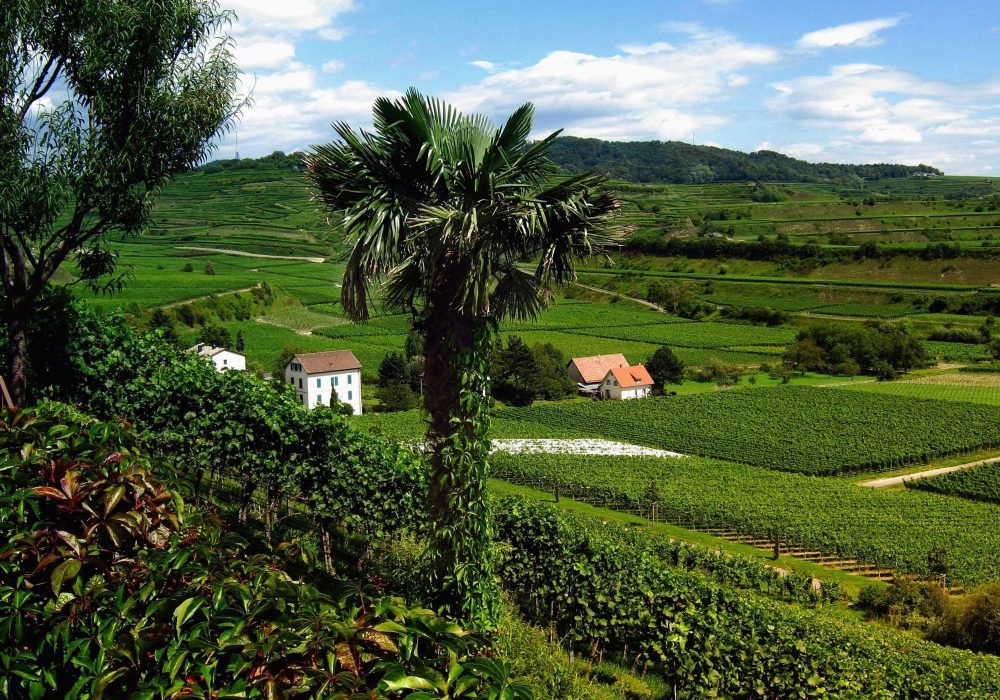
Bordeaux and Napa Valley are bucket-list destinations for wine lovers, but the world's most memorable pours are often found well off the beaten track. From Tuscany's sun-drenched hillside estates and Portugal's dramatic Douro Valley to Georgia's ancient clay-pot cellars and South Africa's celebrated Stellenbosch, these lesser-known wine regions offer extraordinary flavour, stunning scenery, and a genuinely personal tasting experience. Here's your guide to the regions worth travelling to.
You already know Bordeaux. You've heard the Napa stories. But some of the world's most exciting wine experiences are unfolding far from those famous valleys, in places where the crowds are thinner, the welcomes warmer, and the stories behind every bottle far less familiar. Wine travel has expanded dramatically in recent years, driven by adventurous drinkers who want more than a label they recognize. They want terroir that surprises them, producers who will actually pour them a glass and talk for an hour, and landscapes that make the whole experience feel like a genuine discovery.
Whether you're a seasoned oenophile or simply someone who enjoys good wine paired with good travel, these regions offer something that the famous appellations often can't: a sense that you've found something not everyone else has found yet. From the ancient vine-covered hillsides of Tuscany and the sun-scorched terraces of Portugal's Douro Valley to the limestone-rich vineyards of Slovenia and the clay-pot cellars of Georgia, each destination in this guide is worth putting on your list. Pack a corkscrew and your curiosity.
Hidden gems in Europe
Europe's most celebrated wine countries have kept some of their best regions surprisingly quiet. Beyond the glamour of Bordeaux and Burgundy, a handful of European destinations offer wines of exceptional quality alongside landscapes and culture that make the journey itself worthwhile. The three regions below have been producing world-class bottles for centuries, yet they still feel like insider knowledge.
Tuscany's rolling hills
Central Italy's most iconic region needs no real introduction, yet it consistently surprises first-time visitors with just how beautiful and varied it is. Tuscany produces some of the world's most respected wines, led by the Sangiovese grape in three celebrated expressions: Chianti, Brunello di Montalcino, and Vino Nobile di Montepulciano. Each has a distinct character shaped by the specific soils and microclimates of its home commune, making a single visit feel like three entirely different tasting experiences.
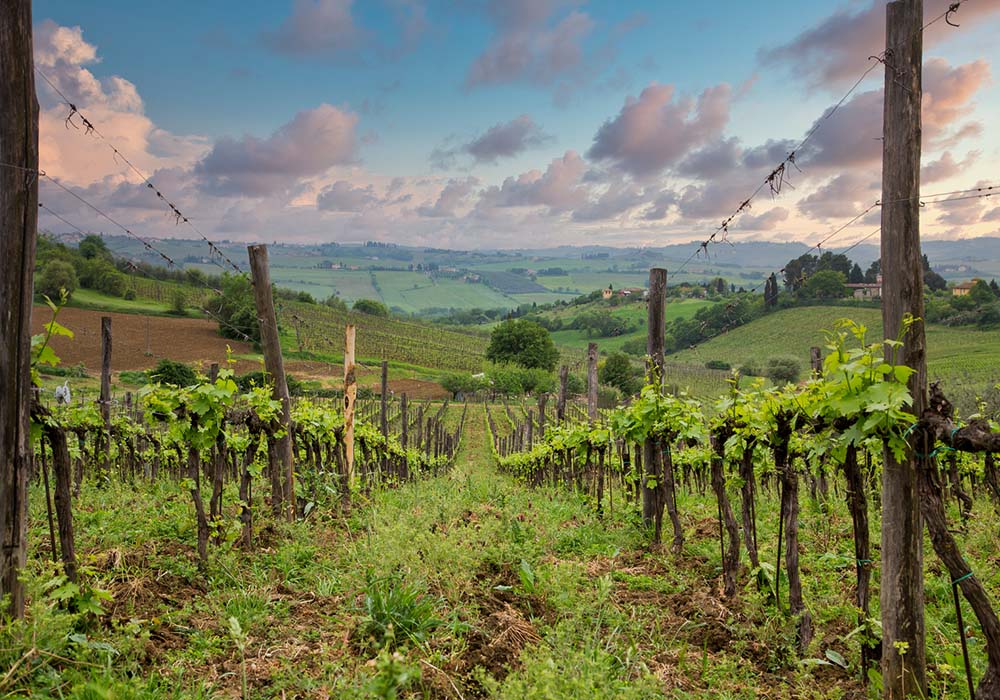
The scenery plays a starring role. Rows of grapevines on sunlit slopes, silver-green olive groves, and the sharp verticality of cypress trees frame vineyards that have been worked for generations. Historic wineries welcome visitors for cellar tours and sit-down tastings, often paired with regional food that makes a compelling case for the evolution of Italian wine and Italian cuisine.
| Wine | Main grape | Taste profile |
|---|---|---|
| Chianti | Sangiovese | Fruity, fresh, herbal |
| Brunello di Montalcino | Sangiovese Grosso | Rich, spicy, full-bodied |
| Vino Nobile di Montepulciano | Sangiovese | Smooth, plum, floral |
The towns surrounding the vineyards add considerable depth to any trip. Siena and Florence offer world-class art and architecture, while smaller hilltop towns like Montalcino and Montepulciano are relaxed, walkable, and genuinely charming. A visit here rewards those who slow down, take a side road, and let the afternoon stretch long over a second glass.
- Chianti: Fruity and fresh, with notes of cherry and herbs.
- Brunello di Montalcino: Rich and full-bodied, with dark fruit and warming spice.
- Vino Nobile di Montepulciano: Smooth and medium-bodied, with plum and violet aromas.
Spain's Rioja legacy
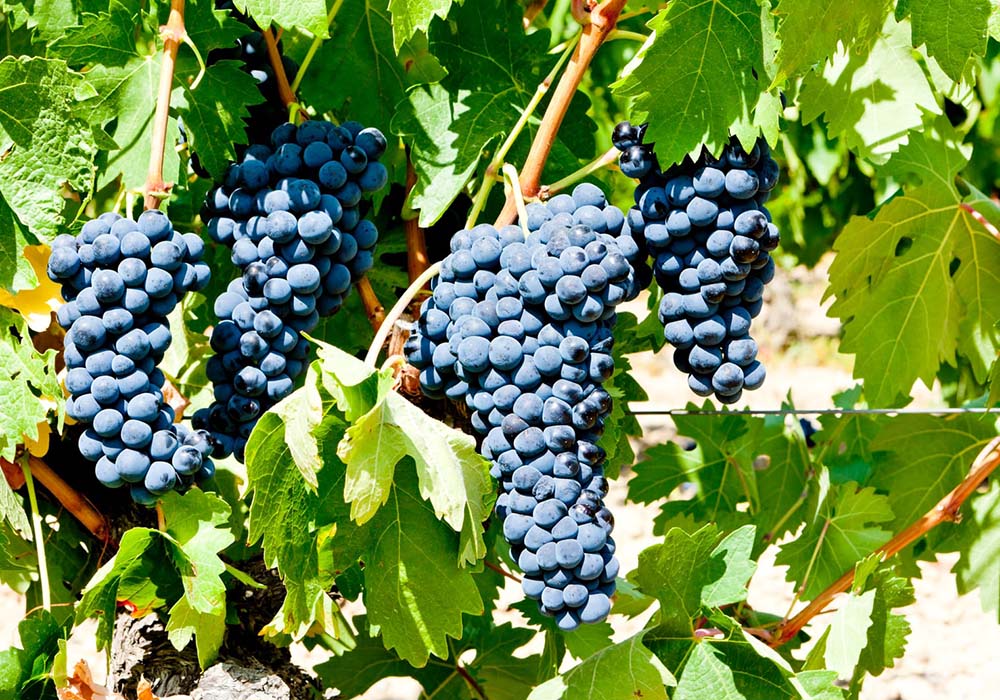
Spain's Rioja region has been making serious wine for well over a century, and the quality and range on offer today reflect every decade of that experience. The region's signature grape, Tempranillo, delivers smooth, red fruit-forward wines with a characteristic vanilla note that comes from oak ageing. Garnacha and Graciano are also used, adding layers of complexity that have helped Rioja build a devoted international following.
Geographically, Rioja is divided into three distinct zones, each with its own personality:
- Rioja Alta: A cooler, higher-altitude zone producing wines known for fresh acidity and elegance.
- Rioja Alavesa: Richer soils and a slightly warmer influence, yielding fruit-forward, well-balanced wines.
- Rioja Oriental: The warmest of the three, producing bold, ripe, fuller-bodied expressions.
One of the region's most distinctive features is its formal ageing classification system, which tells drinkers exactly how long a wine has been aged and in what:
- Crianza: Minimum two years total ageing, with at least one year in oak.
- Reserva: Minimum three years, with at least one year in oak.
- Gran Reserva: Minimum five years, with at least two years in oak.
Winery tours in Rioja typically include a walk through the underground cellars, where rows of barrels are stacked in cool, cathedral-like rooms. The regional capital, Logroño, offers excellent tapas bars where a glass of Reserva costs almost nothing, and the pintxos are outstanding. For wine lovers who enjoy both tradition and a lively local food scene, Rioja is exceptionally good value.
Portugal's Douro Valley
The Douro Valley in northern Portugal is one of the world's oldest demarcated wine regions, with official boundaries established in 1756. Most people know it for Port, but the dry red wines produced here have been gaining serious international recognition, and for good reason. The valley's steep, stepped terraces carved into schist rock create a dramatic landscape that looks unlike anywhere else on earth, rising sharply from the banks of the Douro River.
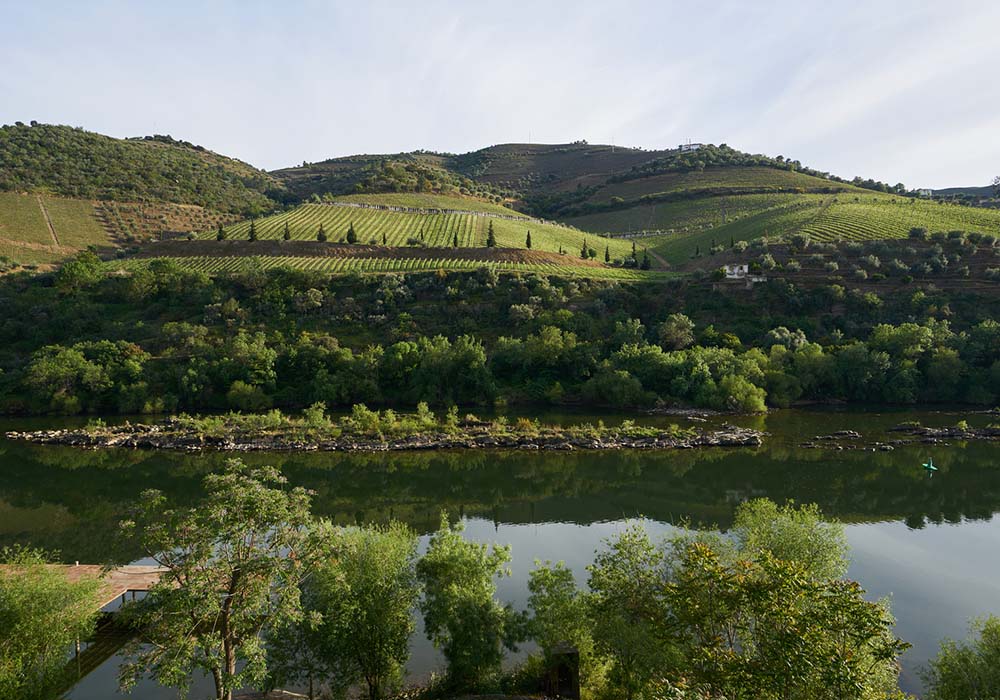
The climate is harsh by European standards: hot, dry summers and cold winters produce grapes of intense concentration. The key varieties include Touriga Nacional, celebrated for its powerful aromas and dark fruit; Tinta Roriz, which adds spice and structure; and Touriga Franca, which contributes floral elegance and softer tannins.
| Grape | Characteristics | Wine type |
|---|---|---|
| Touriga Nacional | Strong aroma, dark fruit, floral notes | Port and dry red |
| Tinta Roriz | Rich, spicy, balanced acidity | Port and dry red |
| Touriga Franca | Soft tannins, floral and red fruit | Port and dry red |
A river cruise is one of the most relaxing ways to move through the valley, drifting past quintas (wine estates) perched on the hillsides above. Most estates offer tastings and tours, and some provide accommodation, making it easy to linger for a few days. Pair the wines with roast lamb, aged sheep's cheese, or a traditional bacalhau dish to complete the regional picture.
Emerging New World destinations
The New World wine map has been redrawn significantly over the past two decades, with regions outside Europe producing wines that compete with the best in the world. South Africa, Chile, and New Zealand each bring distinct geographies, grape varieties, and cultural identities to the table, giving wine travellers compelling reasons to venture well beyond Europe.
South Africa's Stellenbosch
Stellenbosch sits about 50 kilometres from Cape Town and is widely regarded as South Africa's most prestigious wine address. The mountains surrounding the region create a sheltered environment ideal for growing a wide range of varieties, but it's the bold red wines, particularly Cabernet Sauvignon and Pinotage (a uniquely South African crossing of Pinot Noir and Cinsault), that have built Stellenbosch's reputation.
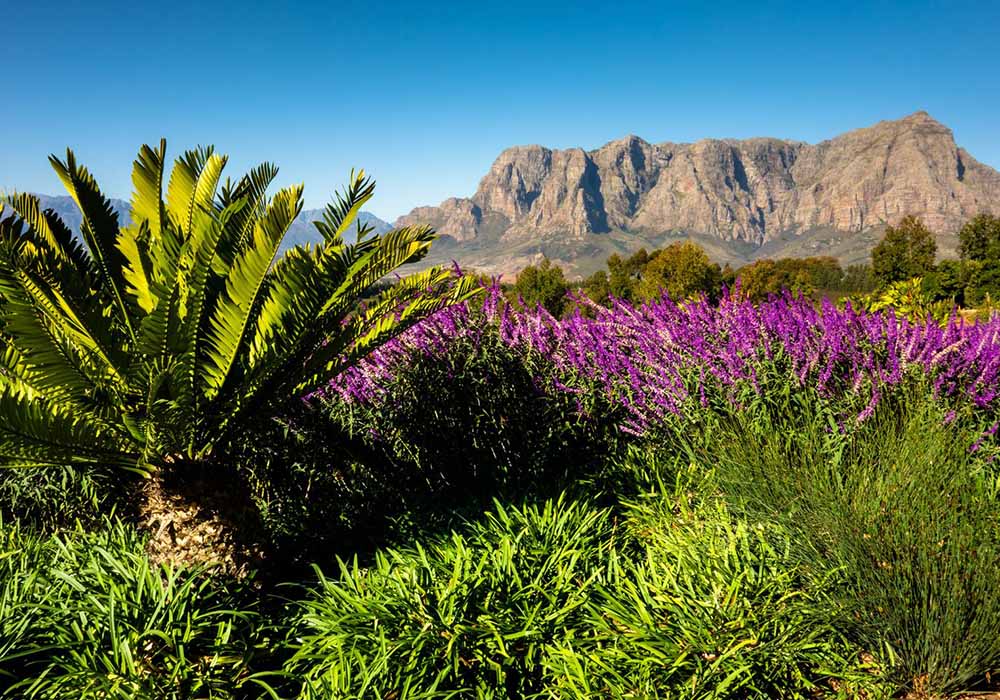
The region's wine estates range from grand, Cape Dutch-style manor houses to compact, family-run operations where the winemaker will pour your tasting themselves. Many have invested in sustainable, organic farming practices in recent years, reflected in wines with a cleaner, more expressive character.
| Grape varieties | Wine style | Climate |
|---|---|---|
| Cabernet Sauvignon, Pinotage, Merlot | Rich reds, full-bodied, fruity | Mediterranean, warm summers |
Beyond the cellar door, Stellenbosch offers excellent restaurants, scenic mountain hiking trails, and easy day-trip access to Cape Town's beaches and attractions. It's a region that combines wine quality with genuine lifestyle appeal, making it equally attractive to dedicated wine tourists and general travellers who enjoy good food and great scenery.
Chile's Colchagua Valley
Located south of Santiago, the Colchagua Valley has emerged as one of Chile's most dynamic wine regions, producing powerful, smooth reds that punch well above their weight in terms of value. The valley benefits from warm days and cool overnight temperatures driven by Pacific Ocean breezes, a combination that allows grapes to ripen fully without losing the freshness that keeps wines balanced.
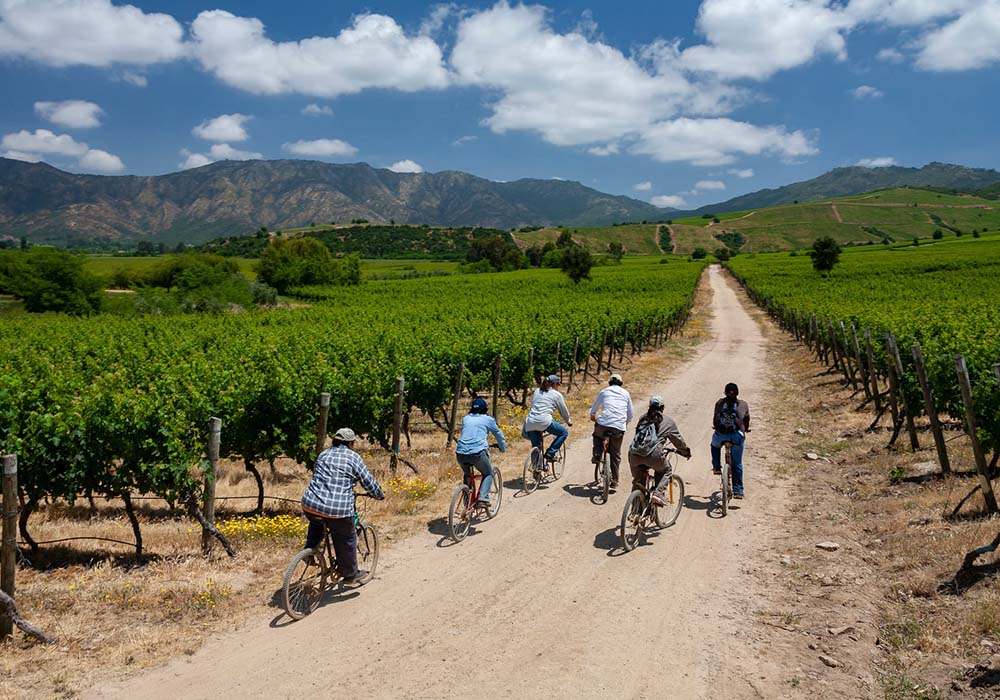
Carménère, a grape that all but disappeared from its native Bordeaux, found a new home in Chile and thrives particularly well in Colchagua. Alongside Cabernet Sauvignon and Syrah, it produces wines of considerable depth and personality. Many of the valley's wineries are small, family-owned operations that have preserved traditional techniques while embracing modern quality standards.
| Grape varieties | Wine style | Climate |
|---|---|---|
| Carménère, Cabernet Sauvignon, Syrah | Bold, smooth reds with ripe fruit | Warm days, cool nights |
Visitors to Colchagua find that the experience extends well beyond wine tastings. The region hosts excellent local food markets, horseback riding through the vines, and vibrant cultural festivals that offer a genuine glimpse into rural Chilean life.
New Zealand's Marlborough
Marlborough, at the northern tip of New Zealand's South Island, built its international reputation almost entirely on Sauvignon Blanc, and the wines from this region remain the global benchmark for the style. The combination of a cool climate, long sun-filled days, and excellent drainage from its stony soils gives Marlborough Sauvignon Blanc a purity and intensity that other regions have struggled to replicate.
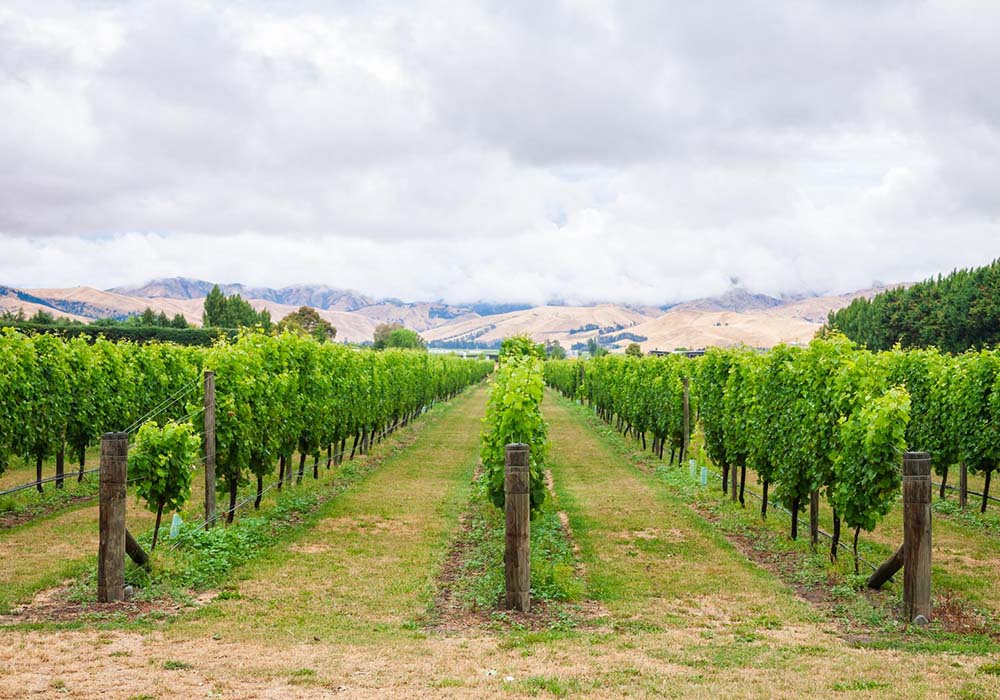
Beyond its flagship white, Marlborough also produces well-regarded Pinot Noir and Chardonnay, offering variety for those who want to explore the region more broadly. The landscape, with its wide river valleys, braided riverbeds, and surrounding hills, provides a particularly scenic backdrop for visits to the tasting room.
| Grape varieties | Wine style | Climate |
|---|---|---|
| Sauvignon Blanc, Pinot Noir, Chardonnay | Fresh whites, light reds, aromatic | Cool, sunny, with ocean influence |
Many wineries offer cycling tours through the vineyards, a popular choice given the flat terrain and scenic routes. Fresh Marlborough Sounds seafood, particularly green-lipped mussels and salmon, pairs brilliantly with the local Sauvignon Blanc, and a number of estates have built their food programmes around this combination.
Unique terroirs and varietals
Some of the world's most fascinating wines come from regions where the terroir is so specific, and the grape varieties so unusual, that you simply cannot replicate the experience elsewhere. These are the destinations that reward genuinely curious wine travellers, places where the connection between land, grape, history, and culture is woven tightly into every glass.
Slovenia's diverse vineyards
Slovenia is a small country with a wine culture that surprises most visitors with its ambition and variety. Three main wine regions, each with distinct soils and microclimates, produce a range of styles from rich, structured reds to delicate, mineral-driven whites.
| Region | Climate | Popular varietals | Wine style |
|---|---|---|---|
| Primorska | Mediterranean | Rebula, Merlot, Cabernet Sauvignon | Full-bodied reds, aromatic whites |
| Podravje | Continental-cool | Pinela, Laški Rizling, Sauvignon Blanc | Fresh whites, light reds |
| Posavje | Continental-warm | Teran, Modra Frankinja | Earthy reds, balanced whites |
What makes Slovenia particularly compelling for wine travellers is its collection of rare native grape varieties. Rebula, Teran, and Pinela produce flavours genuinely unlike anything you will encounter elsewhere, and local winemakers tend to be passionate advocates for preserving these varieties. Many producers practice natural farming and minimal-intervention winemaking, which suits the clean, expressive quality of the wines.
- Primorska: A Mediterranean-influenced zone that excels with rich, full-bodied reds and aromatic whites, including the indigenous Rebula grape.
- Podravje: Cooler temperatures and clay-rich soils support fresh, crisp white wines with good structure.
- Posavje: Rolling hills and a warmer continental climate produce approachable reds and balanced whites.
Georgia's ancient wine culture
Georgia has the strongest claim to being the birthplace of wine. Archaeological evidence of winemaking here dates back more than 8,000 years, and the country's most distinctive contribution to viniculture, the qvevri method, is still very much alive today. Qvevris are large, egg-shaped clay vessels buried underground, where wine ferments and ages in contact with grape skins over extended periods. The resulting wines have a depth and texture that conventional methods cannot quite replicate.
Georgia's two flagship grape varieties reflect the country's two dominant styles:
- Rkatsiteli: A white grape producing crisp, floral wines with excellent acidity and a distinctive mineral finish.
- Saperavi: A red grape yielding deeply coloured, bold, tannic wines packed with dark berry fruit.
| Grape | Wine type | Taste profile | Terroir influence |
|---|---|---|---|
| Rkatsiteli | White | Fresh, floral, crisp | Mountainous, mineral-rich soils |
| Saperavi | Red | Bold, berry, tannic | River valleys, volcanic soils |
Visiting Georgia allows you to taste qvevri wines directly at the estates where they are produced, often in the same cellar where clay pots have been buried for generations. The Kakheti region, east of Tbilisi, is the heartland of Georgian wine production and is worth spending at least a few days in. The food, including richly spiced stews, cheese-filled breads, and walnuts in every conceivable form, pairs wonderfully with both the amber whites and the robust reds.
Australia's Barossa Valley
The Barossa Valley in South Australia is home to some of the oldest Shiraz vines in the world, with many plantings dating back more than 150 years. Hot days, cool nights, and soils ranging from sandy loam to red clay create ideal conditions for growing grapes of exceptional concentration and complexity.
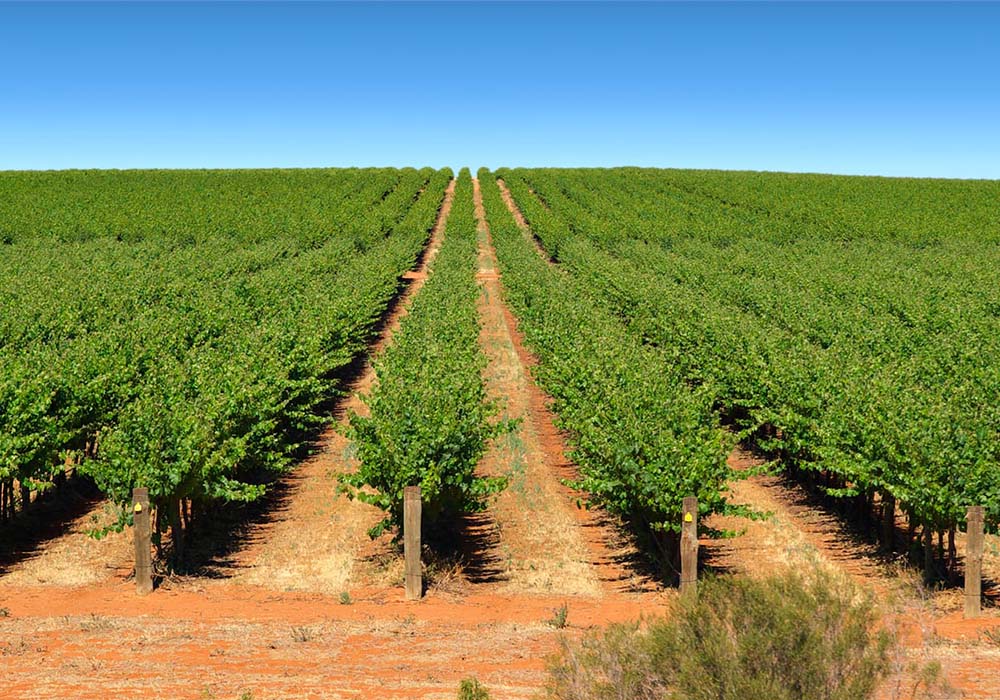
Shiraz dominates here, producing the region's signature style: intense, dark-fruited, spicy, and full-bodied. Grenache and Mourvèdre are also well established in the region, and Barossa blends using all three grapes have gained considerable international recognition.
| Varietal | Soil type | Flavour profile | Climate |
|---|---|---|---|
| Shiraz | Sandy loam, red clay | Spicy, dark fruit, full-bodied | Hot days, cool nights |
| Grenache | Well-drained sandy soil | Bright red fruit, soft tannins | Warm, dry |
| Cabernet Sauvignon | Clay loam | Rich, structured, blackcurrant | Moderate warmth |
The Barossa food scene has developed significantly alongside its wine reputation, with a strong German heritage (the region was settled largely by Lutheran immigrants in the 1840s) giving it an identity that combines European traditions with Australian openness. Small-producer charcuterie, excellent cheeses, and slow-roasted meats are a natural complement to the region's powerful wines.
Wine and travel experiences
The best wine travel combines cellar door visits with a broader engagement with local culture, cuisine, and landscape. The regions covered in this guide each offer a rich mix of experiences beyond the tasting room, from harvest festivals and food markets to river cruises and vineyard cycling. What follows is a closer look at the types of experiences that make wine travel genuinely memorable.
Vineyard tours and tastings
A well-designed vineyard tour does far more than put wine in your glass. It takes you through the growing season in a single walk, showing you how soil composition, vine age, slope orientation, and harvest decisions all shape the wine you are eventually drinking. Cellar tours add another layer, walking you through fermentation tanks, barrel rooms, and bottle libraries that tell the story of a winery's history and philosophy.
Guided tastings, whether formal or casual, train your palate over time. Tasting five wines side by side from the same grape variety grown in different parts of a region is one of the fastest ways to understand what terroir actually means in practice. Small-group and private tastings offer more opportunities for conversation with winemakers, where the most interesting insights often emerge.
| Region | Popular grape varieties | Tour highlights |
|---|---|---|
| Barossa Valley, Australia | Shiraz, Grenache | Historic wineries, barrel tastings |
| Rioja, Spain | Tempranillo, Garnacha | Underground cellars, traditional methods |
| Marlborough, New Zealand | Sauvignon Blanc, Pinot Noir | Modern vineyards, sustainable practices |
Key things you will typically experience on a quality vineyard tour:
- A guided walk through the vines, including an explanation of grape cultivation and harvest timing.
- Insight into fermentation and ageing processes, from tank to barrel to bottle.
- A structured tasting covering different wine styles and vintages.
- Scenic views of the vineyard and the surrounding landscape.
Local cuisine pairings
Wine and food pairing is one of the most rewarding aspects of wine travel because it reveals how organically a region's cuisine and viticulture have evolved together. The food of Tuscany, shaped around Sangiovese's acidity and tannin, tastes different alongside a glass of Chianti than it does with anything else. A chilled Marlborough Sauvignon Blanc with freshly shucked mussels is an argument in itself for drinking local.
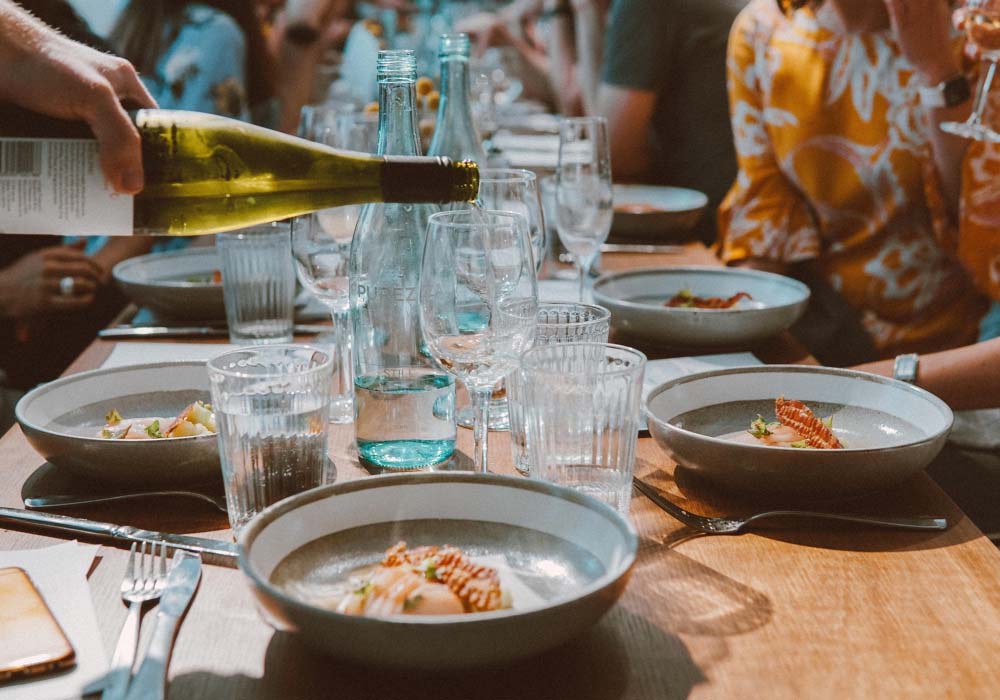
Many estates now offer tasting menus, picnic lunches, or more formal dining experiences designed around their wines. These meals range from elaborate multi-course affairs to simple cheese and charcuterie spreads, but all share the same intention: showing the wine at its best by surrounding it with flavours from the same patch of earth.
| Wine type | Common food pairings | Flavour notes enhanced |
|---|---|---|
| Sauvignon Blanc | Goat cheese, green vegetables | Crisp, fresh, herbal |
| Pinot Noir | Roast chicken, mushrooms | Earthy, fruity, smooth |
| Shiraz | Grilled meats, spicy dishes | Bold, peppery, smoky |
Some particularly memorable regional pairings to seek out:
- Seafood alongside crisp white wines in coastal and river regions.
- Hearty slow-cooked meats with bold reds in mountainous wine country.
- Local cheese boards that highlight the textural range of different wines.
- Fortified wines are paired with desserts, particularly in Port-producing regions like the Douro.
Festivals and events
Wine festivals bring entire communities together around the harvest, and attending one transforms a wine trip into a closer cultural immersion. The energy of a harvest celebration, with its music, food stalls, parades, and the particular mood of a community marking the end of a season's hard work, is something you simply cannot replicate on a regular winery visit.
Each region's festivals have their own character, shaped by local traditions, music, and the specific wines being celebrated. Some focus tightly on a single grape or style; others showcase the full breadth of a region's production. All offer the opportunity to meet winemakers outside the formal tasting room setting, which tends to produce much more candid and interesting conversations.
| Festival | Location | Highlights | Best time to visit |
|---|---|---|---|
| Fiesta Nacional de la Vendimia | Mendoza, Argentina | Harvest parade, folk music, wine tasting | Early March |
| Fête des Vignerons | Vevey, Switzerland | UNESCO-listed cultural shows, wine exhibitions | Once per generation (last held 2019) |
| Tokaj-Hegyalja Harvest Days | Tokaj, Hungary | Cellar tours, food pairing, concerts | Early October |
A few festivals worth planning a trip around:
- Harvest festivals in autumn, offering grape picking, pressing demonstrations, and winemaker dinners.
- Wine and food fairs featuring local producers, artisan markets, and regional specialty tastings.
- Music and cultural events are linked to vineyard traditions, from folk dancing to open-air concerts.
- Workshops and seminars on wine tasting, blending, and viticulture are often led by working winemakers.
A note on the Fête des Vignerons: This UNESCO-listed festival in Vevey, Switzerland, is genuinely once-in-a-generation: held roughly every 20 years, the last edition took place in 2019. If you missed it, start planning now. The next one is expected around 2039.
Where every glass tells a different story
The world's great wine regions are scattered across far more of the globe than any single trip can cover, but that's exactly what makes wine travel so endlessly rewarding. Each of the destinations in this guide, from Tuscany's olive-fringed hillsides and Georgia's ancient underground cellars to the dramatic terraces of the Douro and the wide, sunlit valleys of Stellenbosch, offers wines that are inseparable from the land and culture that produced them. Travelling to taste wine in its home context, whether that means a formal tasting room visit, a harvest festival, or simply a glass poured by a winemaker at the end of a cellar tour, gives you an understanding of what's in the bottle that no amount of reading can fully replicate.
The practical case for exploring these regions is equally strong. Compared to the most famous appellations, many of these destinations offer lower prices, less crowded tasting rooms, more personal access to producers, and a travel experience that feels genuinely off the beaten path. Rioja, the Douro, Marlborough, and Stellenbosch are each well set up for wine tourism, with excellent infrastructure and a welcoming attitude toward curious visitors. Slovenia, Georgia, and the Barossa reward those willing to dig a little deeper.
Wherever you choose to go, bring a notebook, keep an open palate, and be willing to be surprised. The best bottles you'll ever drink may not be the ones you've already heard of.